I recorded my first twenty podcast episodes on a decent USB condenser mic in an untreated spare bedroom, and every episode sounded like it — echoey, harsh, obviously amateur. The SM7B didn't fix my room. It just stopped caring about it, which turned out to be the more useful solution.
Why a Broadcast Mic From the 1970s Still Dominates Podcasting
The SM7B's core design is decades old, refined from the microphone originally used to record Michael Jackson's Thriller vocals and still standard in radio broadcast booths today, and the reason it's become the default recommendation for podcasters isn't nostalgia — it's the specific combination of a tight cardioid pickup pattern and genuinely excellent off-axis rejection. In practice, that means it picks up your voice close-up and rejects a huge amount of the room sound, HVAC noise, and reflections that a more sensitive condenser microphone captures indiscriminately. For anyone recording in a bedroom, office, or any space that isn't acoustically treated, this rejection is the single biggest reason to choose this mic over a cheaper, more "sensitive" alternative.
The Sound Itself: Warm, Forgiving, Broadcast-Ready
The SM7B has a warm low-mid presence and a switchable presence boost and bass roll-off that let you tune the tonal character somewhat to your voice and proximity to the mic. It's genuinely forgiving of imperfect mic technique compared to a bright, detailed condenser — sibilance and plosives are noticeably tamer straight out of the mic, which matters enormously if you're not also investing in a pop filter, careful mic placement, and post-production de-essing. Out of the box, spoken voice through this microphone simply sounds like the professional broadcast and podcast voice you've heard a thousand times, because it very literally is the same microphone behind a huge percentage of that content.
The Part Nobody Warns You About: Gain Requirements
This is the single most important thing to understand before buying, and it's the source of most disappointed first impressions online. The SM7B is a dynamic microphone with a notoriously low output level, and most standard audio interfaces and mixers simply don't provide enough clean gain to drive it properly without adding audible hiss. You will very likely need either an interface with unusually high clean gain, or — more commonly — a dedicated inline preamp like a Cloudlifter or a Fethead between the mic and your interface. Budget for this accessory as part of the real total cost of this microphone; skipping it is the most common reason people buy this mic and come away unimpressed with noisy, underpowered recordings.
Build Quality and the Physical Setup
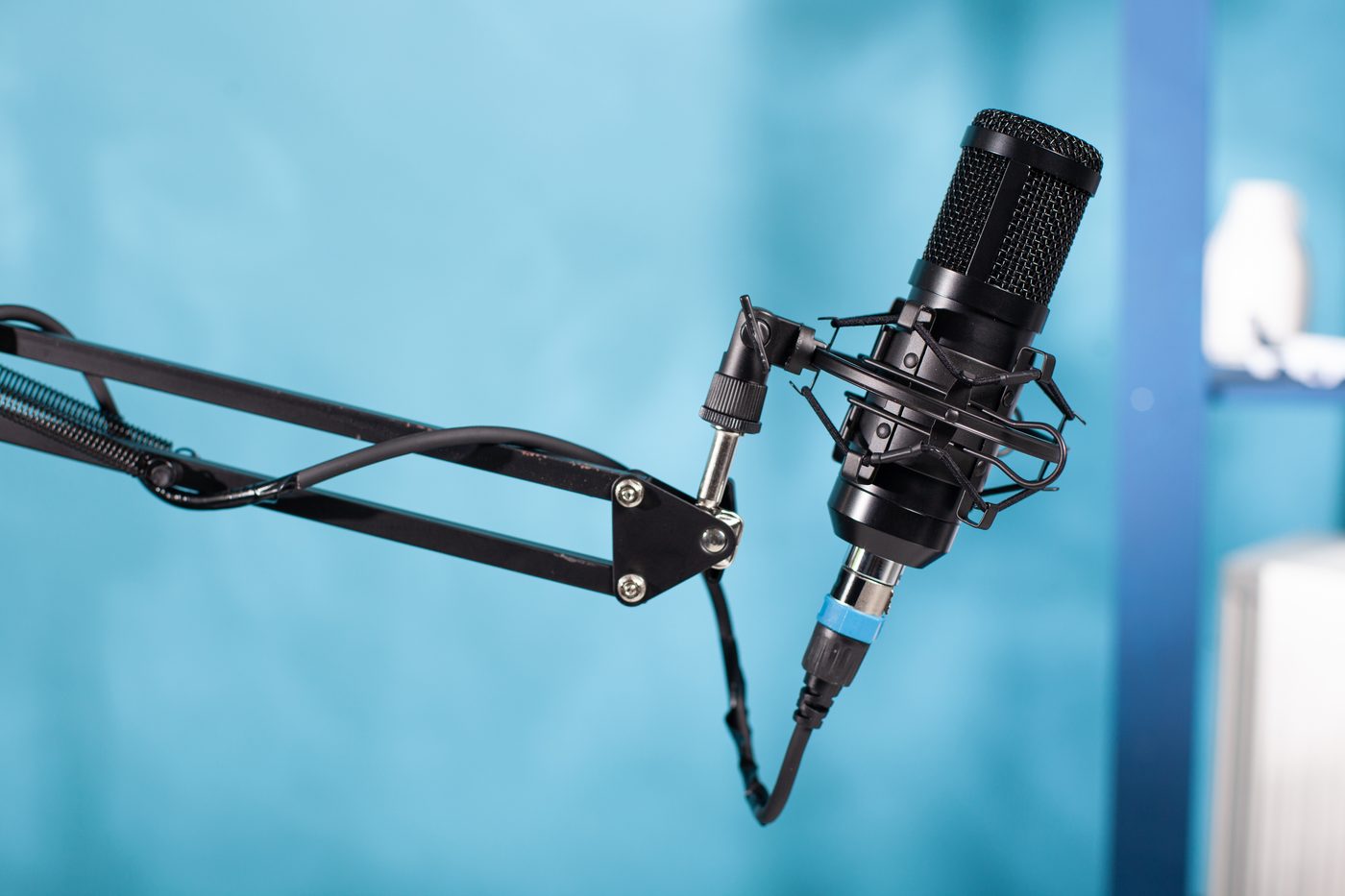
The mic itself is genuinely heavy and needs a proper boom arm rather than a lightweight desktop stand — its integrated shock mount and yoke are built to sit rock solid on a real broadcast-style boom arm, and trying to balance it on a cheap clip stand is both physically awkward and defeats some of the vibration isolation the design is built around. Between the mic, a proper boom arm, and the necessary gain-boosting accessory, this is a bigger total investment than the sticker price alone suggests, and it's worth planning the full setup rather than just buying the microphone in isolation.
Who Should Buy This
If you're recording in a genuinely treated studio space with quality acoustic panels, a more sensitive condenser microphone will likely capture more nuance and detail, and the SM7B's room-noise rejection becomes less of a decisive advantage. For the much larger number of people recording podcasts, voiceover, or streaming audio from an untreated bedroom or home office — which is most people — this microphone's specific strength at ignoring a bad room is exactly the problem most home setups actually have.
Pros and Cons
Pros:
- Exceptional rejection of room noise and reflections in untreated spaces
- Warm, broadcast-standard vocal sound that's forgiving of imperfect technique
- Genuinely durable, professional-grade build quality
- Industry-standard choice with enormous community support and tutorials
Cons:
- Requires a dedicated gain-boosting accessory for most interfaces — a real added cost
- Heavy, needs a proper boom arm rather than a basic desk stand
- Less advantageous in a properly acoustically treated recording space
Frequently Asked Questions
Do I really need a Cloudlifter or similar preamp?
For the vast majority of standard audio interfaces, yes — without one, most users find they can't get a clean, sufficiently loud signal from this microphone.
Is this mic good for music vocals, not just podcasting?
Yes, it's historically been widely used in professional music recording as well, particularly for its forgiving, warm character on vocals.
Final Verdict
Once I understood and budgeted for the gain requirement, this microphone did more for my podcast's perceived production quality than any amount of room treatment or editing had managed on my previous setup.
Rating: 9.4/10 — It didn't fix my room. It made my room irrelevant.