Kim John Payne, a family counselor and consultant, built Simplicity Parenting around a specific diagnostic reframe drawn from his own extensive counseling practice: that much childhood anxiety and behavioral difficulty stems not from any single identifiable problem but from cumulative overwhelm, too many toys, too packed a schedule, too much adult information and worry absorbed secondhand, and that reducing this overall volume often produces more genuine improvement than addressing any single specific behavioral issue in isolation. The book works through four specific areas for deliberate simplification, environment, rhythm, schedules, and filtering out adult concerns, providing concrete, practical guidance for reducing cumulative overwhelm in each area while grounding the broader argument in Payne's direct clinical observation of families before and after implementing these changes.
Cumulative Overwhelm Reframed as the Root of Childhood Anxiety
Payne's central diagnostic reframe, that childhood anxiety often stems from cumulative overwhelm rather than any single identifiable problem, redirects parental attention from fixing specific behaviors toward reducing overall environmental volume.
Four Specific Areas for Deliberate Simplification
The book organizes its guidance around four specific areas, environment, rhythm, schedules, and filtering adult concerns, giving parents a navigable, itemized framework for approaching simplification systematically.
Reducing Toy Volume as a Specific, Concrete Environmental Intervention
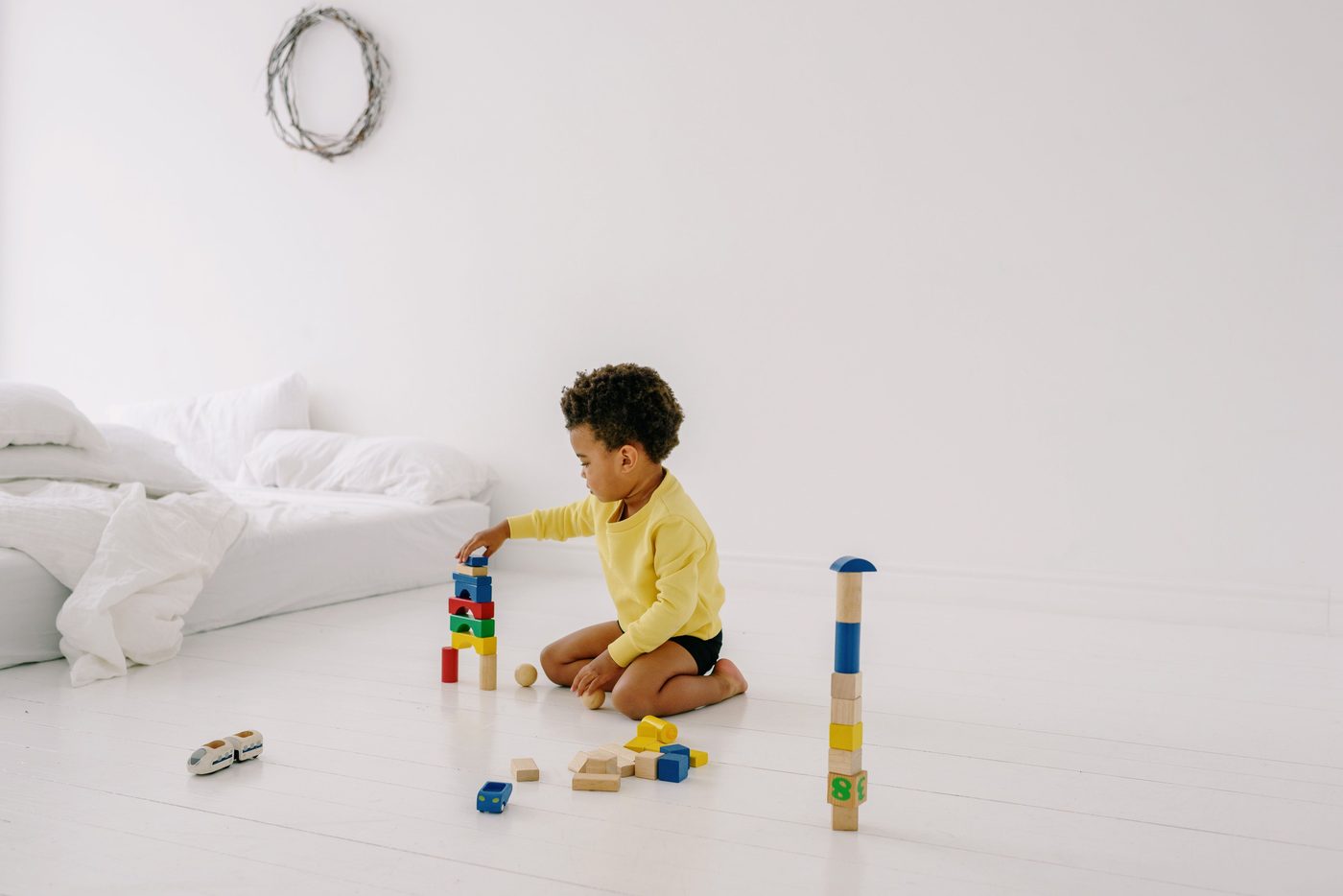
Among its specific recommendations, the book addresses reducing the sheer volume of toys and possessions in a child's environment, giving parents concrete, actionable guidance rather than only general decluttering suggestion.
Establishing Predictable Rhythm as Distinct From Rigid Scheduling
Payne distinguishes predictable daily rhythm from rigid, overpacked scheduling, arguing that genuine rhythm provides security while excessive scheduled activity contributes directly to cumulative overwhelm.
Filtering Adult Concerns and Information From Children's Awareness
The book addresses specifically how children absorb adult worry and information secondhand, even when not directly told, and provides guidance for deliberately filtering this exposure to reduce a source of overwhelm many parents don't recognize.
Grounded in the Author's Direct Family Counseling Practice
Payne draws directly on his own family counseling practice, presenting observations of families before and after implementing simplification changes, giving the book's central argument grounding in genuine clinical observation over time.
Addressing Overscheduling as a Specific, Common Contemporary Problem
The book addresses overscheduling specifically as a common contemporary problem, examining how well-intentioned enrichment activities can cumulatively contribute to the same overwhelm the book's broader framework addresses.
Practical Step-by-Step Guidance for Implementing Gradual Simplification
Rather than requiring dramatic immediate change, the book provides practical, step-by-step guidance for implementing gradual simplification across each of its four key areas.
Distinguishing Simplicity From Deprivation or Excessive Restriction
Payne is careful to distinguish genuine simplicity from deprivation or excessive restriction, framing the approach as thoughtful reduction rather than austerity for its own sake.
Why Simplicity Parenting Remains an Influential Approach to Childhood Overwhelm
Simplicity Parenting endures as an influential approach because Payne's reframing of childhood anxiety around cumulative overwhelm, grounded in genuine clinical observation across four specific practical areas, gives parents a systematic alternative to addressing behavioral symptoms individually without examining their cumulative environmental context.
Pros and Cons
Pros:
- Reframes childhood anxiety around cumulative overwhelm rather than isolated specific problems
- Organizes guidance around four specific, navigable areas rather than general simplification advice
- Grounded in the author's direct family counseling practice and observed client outcomes
- Addresses overscheduling directly as a common but often unrecognized contemporary problem
- Provides practical, gradual implementation guidance rather than requiring dramatic immediate change
Cons:
- Implementing changes across all four areas requires sustained parental commitment over time
- Some families may find certain recommendations, like significant toy reduction, initially difficult to adopt
- Its framework works best when both parents or caregivers are aligned on the approach
Frequently Asked Questions
Does this book argue against all extracurricular activities?
No, it addresses overscheduling as a contributor to overwhelm without arguing against all activity, encouraging thoughtful rather than complete elimination.
Is this book only about reducing toys?
No, toy reduction is one specific recommendation within a broader four-area framework including rhythm, schedules, and filtering adult concerns.
Do I need to implement all the changes at once?
No, the book provides gradual, step-by-step guidance rather than requiring dramatic immediate change.
Is this considered an influential approach to childhood anxiety?
Yes, it's widely regarded as an influential and well-respected contemporary approach to addressing childhood overwhelm and anxiety.
Final Verdict
Simplicity Parenting earns its influence through Kim John Payne's reframing of childhood anxiety around cumulative overwhelm rather than isolated specific behavioral problems, grounded in his own direct family counseling practice. Its four-area framework, environment, rhythm, schedules, and filtering adult concerns, gives parents a systematic, gradual approach to reducing overwhelm rather than another list of individual behavioral fixes. For parents whose children seem generally overwhelmed without any single identifiable cause, this book offers a genuinely different, well-grounded diagnostic lens and practical path forward.
Rating: 4.7/10