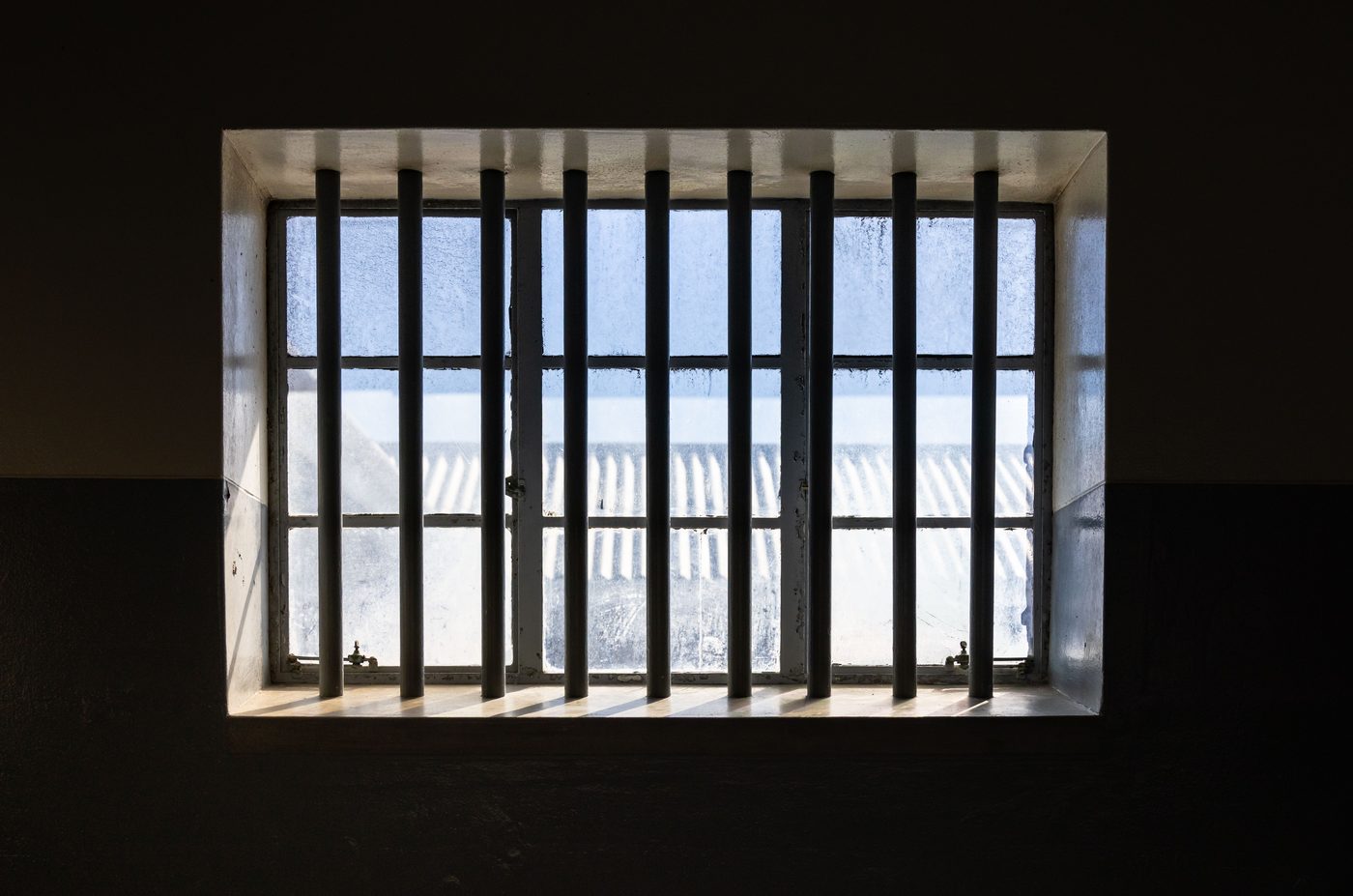
The Sun Does Shine tells a story that should, by any reasonable expectation, produce a memoir soaked in rage, and it's a testament to Anthony Ray Hinton's genuine remarkableness as a person that it doesn't. Hinton was convicted in 1985 of two murders in Alabama based on flawed ballistics evidence and an inadequate public defense, sentenced to death, and spent twenty-eight years on death row for a crime he did not commit before Bryan Stevenson and the Equal Justice Initiative finally secured his exoneration in 2015. The book is co-written with journalist Lara Love Hardin, and its power comes specifically from Hinton's account of how he survived those twenty-eight years without losing his humanity, developing, among other things, a book club with fellow death row inmates and a deliberate practice of using imagination to travel mentally beyond his cell, all while watching more than fifty fellow inmates walk past his cell to their executions. It's an unflinching indictment of a racially biased justice system and, somehow simultaneously, one of the more genuinely hopeful books about human resilience I've read.
The Wrongful Conviction: How the System Failed
Hinton's account of his 1985 arrest and conviction, built on inadequate ballistics analysis that was later definitively proven wrong and a public defense hampered by insufficient resources and reportedly outright racial bias, functions as a genuinely damning, specific case study in how wrongful convictions actually happen within the American justice system rather than remaining an abstract statistic. The granular detail Hinton provides about his trial gives the book real documentary weight alongside its personal narrative.
Silence, Then Speech: The First Years on Death Row
Hinton writes candidly about an initial period of near-total silence and despair after his conviction, during which he refused to speak to almost anyone for roughly three years, giving the book an honest account of trauma's real toll rather than skipping straight to inspiring resilience. This honesty about the depth of his initial devastation makes his eventual transformation considerably more credible and earned than a simpler, more sanitized survival narrative would.
The Death Row Book Club
One of the book's most remarkable threads describes Hinton's creation of a book club among fellow death row inmates, an act of genuine community-building and intellectual life maintained under the most dehumanizing circumstances imaginable, and his account of these gatherings offers a rare, humanizing window into the inner lives of men the outside world had already written off as monsters.
Traveling Without Leaving: Imagination as Survival Tool
Hinton describes developing a deliberate mental practice of imaginative travel, constructing detailed, sustained fantasies of marrying Halle Berry, playing golf with famous athletes, that functioned as genuine psychological survival technique rather than simple escapism, and his account of teaching this practice to fellow inmates gives the book real, if unconventional, insight into resilience under extreme constraint.
Bearing Witness to Fifty Executions
Perhaps the book's most harrowing material describes Hinton's experience listening to and, in the specific architecture of his unit, sometimes smelling the executions of over fifty fellow death row inmates over his twenty-eight years, and his account of grieving men he'd come to know intimately while awaiting the same fate himself is presented with a directness that never tips into gratuitous detail but never softens the horror either.
Bryan Stevenson and the Long Fight for Exoneration
The book's account of Bryan Stevenson and the Equal Justice Initiative's years-long legal fight to secure Hinton's exoneration, ultimately successful when new ballistics testing definitively proved his innocence, gives real, specific insight into how difficult and slow the wrongful conviction appeals process actually is, even when the evidence for innocence is genuinely compelling.
Forgiveness Without Erasure
What distinguishes Hinton's account from a simpler redemption narrative is his refusal to offer easy, complete forgiveness of the system and specific individuals who wronged him; he writes about grace and resisting bitterness as an active daily practice rather than a single resolved state, which gives the book's emotional core real honesty rather than tidy uplift.
Life After Exoneration
The book's final chapters address the genuinely difficult, under-discussed reality of life after exoneration, rebuilding a life and identity after twenty-eight years stolen, without any state compensation for years wrongfully imprisoned, adding a crucial and often overlooked dimension to public understanding of what wrongful conviction actually costs beyond the imprisonment itself.
Who Should Read This Book
The Sun Does Shine is essential reading for anyone interested in criminal justice reform, the death penalty, or wrongful conviction specifically, and it pairs powerfully with Bryan Stevenson's own Just Mercy, which covers overlapping legal ground from Stevenson's perspective as Hinton's attorney. It's also simply one of the more remarkable accounts of human resilience and grace under genuinely unimaginable circumstances available in contemporary memoir.
The Premium Hardcover Edition
This hardcover edition is a substantial, well-produced object suited to a book many readers describe as changing how they think about the justice system permanently, with binding quality that makes it a meaningful choice for book clubs, classroom use, or long-term keeping on a shelf as a reference and reminder.
Pros and Cons
Pros:
- Unflinching, specific documentation of exactly how a wrongful conviction happens within the justice system
- Honest about the real depth of initial trauma rather than skipping to inspiring resilience
- The death row book club material offers rare, genuinely humanizing insight into death row's inner life
- Forgiveness is presented as ongoing daily practice rather than tidy, complete resolution
- Addresses the under-discussed reality of life, and lack of compensation, after exoneration
Cons:
- Content around executions and death row conditions is genuinely harrowing and emotionally demanding
- Some readers may want more direct policy prescription alongside the personal narrative
- The specific legal and ballistics detail, while important, occasionally slows the narrative pace
Frequently Asked Questions
Is this book graphic or difficult to read given its subject matter?
It deals directly with death row conditions and executions, and while Hinton doesn't dwell gratuitously on graphic detail, readers should know the content is emotionally demanding.
Does this book pair well with Just Mercy by Bryan Stevenson?
Yes, extremely well; Stevenson was Hinton's attorney, and the two books cover overlapping legal ground from complementary perspectives, the attorney's and the client's.
Is this book primarily about criminal justice policy or personal memoir?
It's primarily personal memoir, though the justice system's specific failures are documented in enough detail to also serve as a meaningful case study for readers interested in criminal justice reform.
How was Hinton's innocence eventually proven?
New forensic ballistics testing, conducted decades after his conviction with support from the Equal Justice Initiative, definitively contradicted the original flawed evidence used to convict him.
Final Verdict
The Sun Does Shine documents a genuine miscarriage of justice, twenty-eight years wrongfully spent on Alabama's death row, with unflinching specificity, while somehow also delivering one of the more remarkable accounts of human resilience and grace under truly unimaginable circumstances that I've encountered. It's emotionally demanding material, but Anthony Ray Hinton's refusal to be consumed by bitterness makes this essential, humbling reading. This premium hardcover belongs alongside Just Mercy on the shelf of anyone serious about understanding the American justice system's real human cost.
Rating: 9.5/10