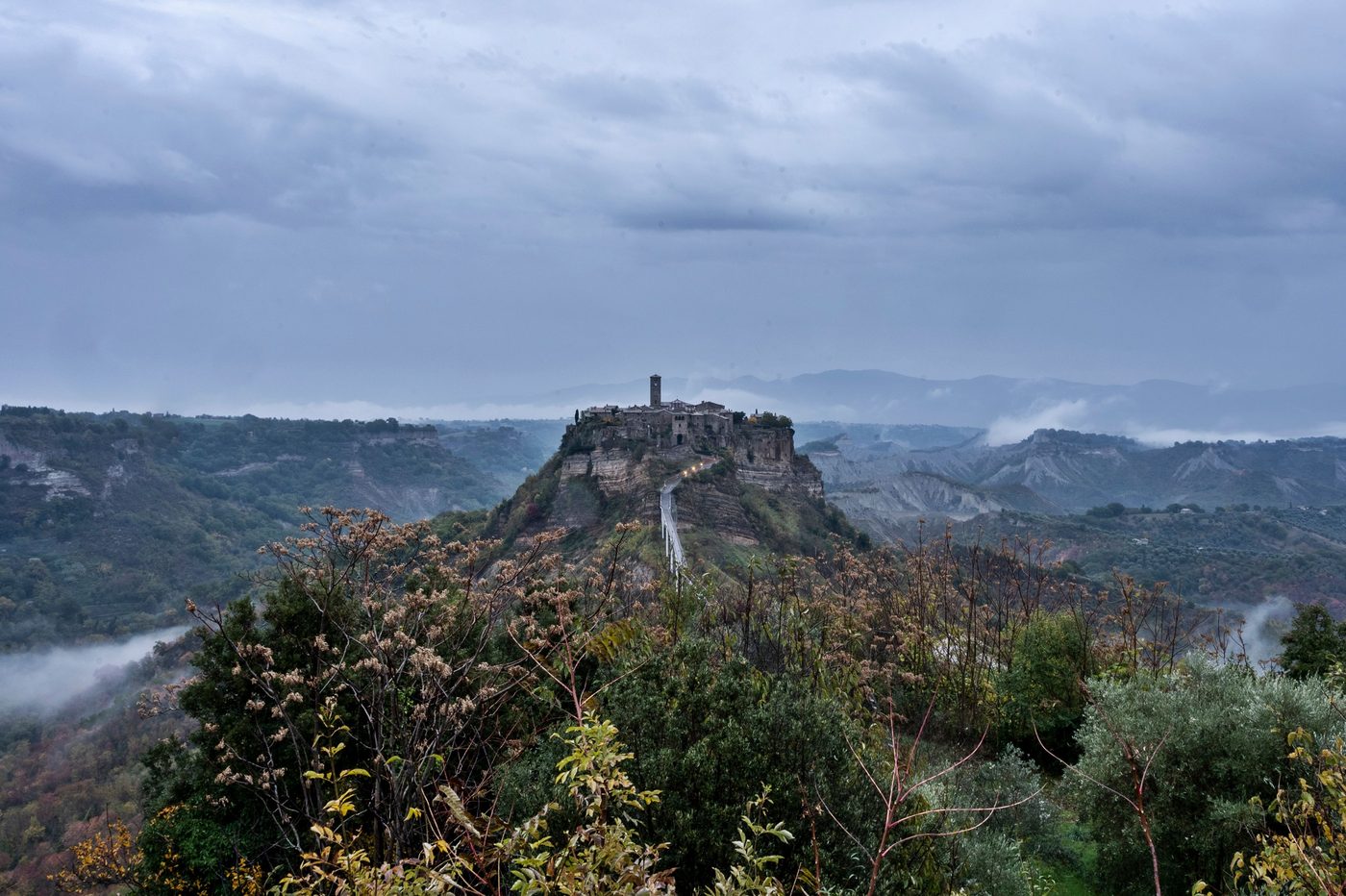
An elderly couple, Axl and Beatrice, set out across a post-Arthurian Britain blanketed in a strange, supernatural mist that has induced widespread collective forgetting, seeking a son they can barely remember having, and Kazuo Ishiguro uses their journey to ask a genuinely uncomfortable question underneath the novel's fantasy surface: if a whole society's peace depends on collectively forgetting genuine historical atrocity and violence between former enemies, is deliberately recovering that buried memory actually the right thing to pursue, even when the alternative is a fragile peace built on collective amnesia. Rendered in Ishiguro's characteristically restrained, precise prose even amid its fantastical ogres and dragons, the novel refuses to offer either its characters or its readers a comfortable answer to that central, genuinely difficult ethical question.
Collective Amnesia as Both Genuine Peace and Genuine Erasure
The mist-induced forgetting that has settled over Britain functions simultaneously as the foundation for fragile peace between former enemies and as genuine erasure of real historical violence and grievance, and Ishiguro refuses to simplify this tension into an easy verdict on which outcome matters more.
Axl and Beatrice's Marriage Tested by Selective Memory Loss
The elderly couple's own marriage, itself affected by the same collective forgetting, faces genuine uncertainty regarding what specific past events between them the mist has obscured, and Ishiguro uses this personal uncertainty to mirror the novel's broader societal question.
The Journey Structure as Vehicle for Gradual, Careful Revelation
The couple's episodic journey across the landscape, encountering various figures including a knight and a warrior tasked with slaying the dragon responsible for the mist, allows gradual, carefully paced revelation of both personal and societal history.
Sir Gawain as Aging Symbol of a Fading Chivalric Order
The elderly knight Sir Gawain, still nominally pursuing his old Arthurian quest, provides a poignant symbol of a fading heroic order whose original purposes and compromises the novel gradually complicates and reveals.
The Dragon Querig as Literal Source of Metaphorical Forgetting
The novel's central fantasy element, a dragon whose breath sustains the mist of forgetting, provides literal fantastical mechanism for the novel's metaphorical examination of memory, atrocity, and reconciliation, grounding abstract themes in concrete narrative stakes.
Restrained Prose Style Applied to Fantastical Content
Ishiguro applies his characteristically restrained, precise prose style to genuinely fantastical content involving ogres, dragons, and supernatural mist, and this stylistic choice, while divisive among some readers, remains consistent with his broader interest in understated emotional revelation.
Historical Violence Between Britons and Saxons as Underlying Context
The novel grounds its fantasy premise in historical violence between Britons and Saxons following Arthur's reign, and this underlying historical context gives the mist's collective forgetting genuine, weighty stakes beyond abstract fantasy convention.
A Deliberately Unresolved Verdict on Memory Versus Peace
Consistent with the novel's central question, Ishiguro deliberately refuses to resolve whether recovering buried atrocity is ultimately worth the cost to fragile peace, leaving this genuinely difficult ethical question open rather than offering false resolution.
Divisive Critical Reception Reflecting the Novel's Genre Ambition
The novel received notably divisive critical reception upon publication, with some readers finding its fantasy elements and restrained style an uneasy combination, reflecting the genuine ambition and risk involved in Ishiguro's genre-crossing approach.
Why The Buried Giant Remains a Provocative, Divisive Achievement
The Buried Giant endures as a provocative work because Ishiguro's genuinely uncomfortable central question, whether societies should recover buried atrocity even at cost to fragile peace, refuses easy resolution, producing fiction that remains directly relevant to contemporary debates about historical reckoning and reconciliation.
Pros and Cons
Pros:
- Poses a genuinely uncomfortable, unresolved ethical question about memory, atrocity, and peace
- Grounds its fantasy premise in weighty historical context regarding real intergroup violence
- Sir Gawain provides a poignant symbol of a fading heroic order and its complicated compromises
- Refuses false resolution regarding whether recovered memory is worth its cost to fragile peace
- Demonstrates genuine ambition in applying restrained literary style to fantastical content
Cons:
- The combination of fantasy elements and restrained prose style has proven divisive among readers
- Its deliberately unresolved central question may frustrate readers seeking clearer thematic resolution
- The episodic journey structure means pacing can feel slow between major revelations
Frequently Asked Questions
Is this a fantasy novel or literary fiction?
It's genuinely both, applying Ishiguro's characteristic literary restraint to genuinely fantastical content involving dragons and ogres.
Is this the same author as Never Let Me Go?
Yes, Kazuo Ishiguro wrote both, though this novel represents a notable genre departure into fantasy elements.
Does the novel resolve whether forgetting or remembering is better?
No, it deliberately leaves this central ethical question unresolved, consistent with its interest in genuine difficulty rather than easy answers.
Was this novel well received by critics?
Reception was notably divisive, with some critics and readers finding the fantasy and literary style combination effective and others finding it uneasy.
Final Verdict
The Buried Giant earns its provocative reputation through Kazuo Ishiguro's genuinely uncomfortable central question, whether recovering a society's collectively forgotten historical atrocity is worth the cost to the fragile peace that forgetting has enabled. Sir Gawain's poignant fading heroism and the weighty historical grounding beneath its fantasy premise give the novel real thematic ambition. Its divisive reception reflects the genuine risk involved in Ishiguro's genre-crossing approach, and its unresolved central question remains directly relevant to contemporary debates about historical reckoning.
Rating: 3.9/10