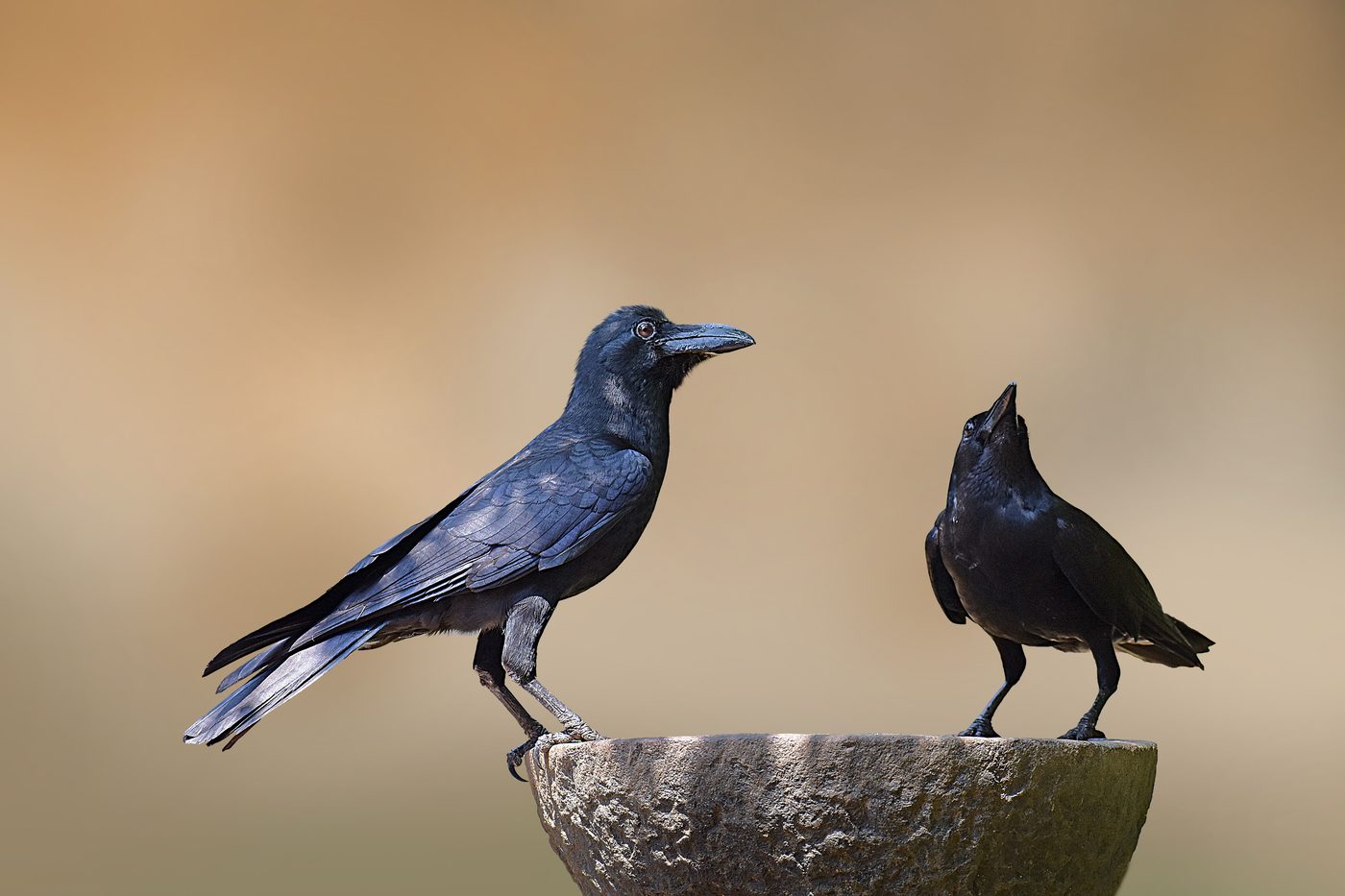
Margaret Renkl spent nine years writing a New York Times opinion column about the flora, fauna, politics, and culture of the American South before turning her own half-acre Nashville backyard into a book. The Comfort of Crows is built as a literary devotional -- fifty-two essays, one for each week of the year, paired with original collage art by her brother Billy Renkl -- tracking the crows, hawks, wildflowers, and seasons just outside her door. It became Reese's Book Club's 100th pick and won the 2024 Southern Book Prize. This review covers what critics at The New York Times Book Review and NPR actually said, the real Goodreads numbers, and where readers pushed back on a book that some found beautiful and others found, at points, too heavy with grief.
What The Comfort of Crows Actually Is
This is a nonfiction essay collection structured as a year in fifty-two parts, moving from what Renkl calls "The Season of Sleeping" in winter through the full turn of the seasons back around again. Each essay is short -- built for a single sitting -- and paired with a full-color collage illustration made by her brother, the artist Billy Renkl, so that the book functions as much as a visual object as a text to read straight through. Longer essays are interspersed with what Renkl calls "praise songs," brief, poem-like observations that work almost like breath between the more developed pieces. The whole structure is explicitly designed to be flexible: read all fifty-two in a sitting, or treat it as a weekly companion and read one entry per week across an actual calendar year, tracking your own backyard alongside hers.
Renkl's subject is her own quarter-acre-turned-wildlife-habitat lot in Nashville, and the book stays tightly local by design -- crows, hawks, possums, the specific wildflowers that come up in a specific patch of Tennessee ground. But the local focus is a deliberate structural choice, not a limitation: by staying this close to one small, particular piece of land observed carefully over a full year, the book builds outward toward much larger questions about what's being lost to a changing climate, without ever needing to leave the yard to make that case.
The book follows this book's own earlier sibling in Renkl's catalog, Late Migrations, which mixed family memoir with nature writing in a similar essay-length format, but The Comfort of Crows narrows its focus almost entirely to the natural world itself rather than braiding it with personal family history. That narrowing is itself a kind of argument: the backyard doesn't need a human family drama layered on top of it to justify the reader's attention, because the crows, hawks, and seasonal turns Renkl is watching are treated as inherently significant on their own terms, not as backdrop or metaphor for something else going on in her life.
About Margaret Renkl and Why She Wrote This
Renkl was born in Alabama in 1961 and grew up spending much of her childhood outdoors, with frequent visits to her grandparents' place in the Lower Alabama countryside that she's said shaped her attention to the natural world well before she had language for it. She attended Auburn University, where an environmental biology class in her senior year, she's said, permanently changed how she saw what humans were doing to the planet -- a shift in worldview that runs through everything she's written since. She later earned a graduate degree in creative writing at the University of South Carolina, and for nine years, from 2017 into 2026, she was a contributing opinion writer for The New York Times, covering the flora, fauna, politics, and culture of the American South from her home in Nashville. The Comfort of Crows grew directly out of that column's habits of attention: Renkl has described wanting to take the close, weekly noticing she'd practiced in her journalism and give it room to breathe across a full, unhurried book rather than compressing it into the tighter word counts a newspaper column demands.
That column background also explains the book's comfort moving between registers -- a single essay can shift from a plainly observed detail about a crow's behavior to a pointed reflection on habitat loss without the transition feeling forced, because Renkl spent nine years practicing exactly that move in a format built for general newspaper readers rather than a specialized nature-writing audience. She's also the founding editor of Chapter 16, the daily literary publication of Humanities Tennessee, work that put her in regular contact with other Southern writers and, by her own account, sharpened her instinct for which small, specific details in a piece of prose are doing real work and which ones are just decoration.
What Critics Actually Said
Rather than inventing a verdict, here's what was actually published about it:
“To savor something is to know you will lose it, and to cherish it all the more for that knowledge. That sense is the animating force behind Margaret Renkl's astonishing The Comfort of Crows.”— The New York Times Book Review
“She confesses her despair at the human-caused crises the natural world faces, and her determination not to sit idle.”— NPR
Beyond the reviews, the book's reception is also measurable through real recognition: it was selected as the 100th pick for Reese's Book Club in October 2023 and went on to win the 2024 Southern Book Prize. And the aggregate reader picture, for what it's worth:
Where Real Reviews Pushed Back
The most consistent complaint concerns tone. Some readers describe passages as mournful or occasionally preachy, particularly in sections dealing directly with climate change and species loss, and say that tone pulled them out of the book's more meditative moments. Other reviewers explicitly reject that characterization, arguing Renkl "doesn't go in for preaching, rebuke, or harangue" and instead simply describes, plainly, what it feels like to sit with the scale of ecological loss without looking away from it -- a real disagreement among engaged readers rather than a settled consensus. A smaller number of readers found the collection repetitive when read straight through rather than paced weekly, and at least one reader reported abandoning the book partway through, citing pacing and writing style as the reason. It's worth knowing both sides of that tone debate exist before you decide how to read the book, since the format itself -- fifty-two short essays -- makes the pacing question a real, practical one, not just an abstract style preference.
On the Book's Weekly, Devotional Structure
The fifty-two-essay format isn't incidental -- it's the book's organizing principle, deliberately built to mirror a devotional, the kind of book traditionally meant to be read one short entry at a time across a full year rather than consumed in a few long sittings. That structure asks something specific of the reader: patience, and a willingness to let the book's larger argument accumulate slowly across entries rather than arrive all at once in a single sustained essay. Read this way, the repetition some reviewers flag largely disappears, since a week passes between one crow essay and the next rather than a single page turn.
The devotional framing also invites a specific kind of use that's slightly unusual for literary nonfiction: readers pacing the book across an actual calendar year can track their own local backyard alongside Renkl's Nashville one, noticing where the timing of migrations, blooms, or seasonal shifts lines up with her observations and where it doesn't. Several readers who reviewed the book this way describe it functioning almost like a nature journal prompt as much as a finished text to simply consume, which is a different kind of engagement than most essay collections ask for.
On Grief and Attention as the Book's Two Real Subjects
Underneath the nature writing, The Comfort of Crows is built around two things happening at once: real joy at the specific, ongoing pleasures of watching crows, hawks, and wildflowers move through a backyard across a year, and real grief at a warming, changing climate that's making some of what she's watching harder to find each year. Renkl doesn't resolve the tension between those two feelings -- the book's power, several reviewers note, comes specifically from refusing to let gratitude cancel out grief, or grief cancel out gratitude. She writes directly about owing her "wild neighbors" a willingness to witness their struggle and to speak on their behalf about the losses she can't personally compensate for, a line of thinking that runs underneath nearly every essay in the collection whether or not climate change is its explicit subject.
On the Collages by Billy Renkl
Each of the fifty-two essays is paired with an original full-color collage by Billy Renkl, Margaret's brother, and the two forms are meant to be read together rather than as text with decoration attached. The illustrations aren't literal nature photography or field-guide-style drawings; they're layered, textured collage work that echoes the essays' mix of close observation and emotional weight. Reviewers have specifically credited the pairing with giving the book a distinct identity on a crowded shelf of backyard-nature writing -- it reads as a genuinely collaborative sibling project rather than a text with illustrations added afterward for decoration.
The sibling collaboration itself carries some weight beyond craft. Billy and Margaret Renkl grew up together in the same Alabama childhood she describes as formative to her attention to the natural world, which means the collages aren't an outside illustrator's interpretation of her prose -- they're a second, visual account of a shared way of seeing that predates the book by decades. That shared history is part of why several reviewers describe the pairing as feeling unusually integrated rather than merely complementary, closer to two people finishing each other's sentences in different mediums than an author-and-illustrator arrangement assembled for a single project.
Key Takeaways
- The book's fifty-two-essay, one-per-week structure is designed to be read slowly across a full calendar year, not necessarily in a few long sittings
- It holds joy and climate grief together deliberately, without resolving the tension between them -- that refusal to pick one feeling over the other is the book's central argument
- The collage illustrations by Renkl's brother, Billy Renkl, are a genuine creative partner to the text, not decoration
- Reader opinion is genuinely split on tone -- some find it moving and clear-eyed, others find stretches preachy or mournful -- and both reactions are documented, not fringe
- Its selection as Reese's Book Club's 100th pick and the 2024 Southern Book Prize reflect real, verifiable recognition beyond ordinary reader reviews
Who This Book Is Actually For
Readers who want a slow, attentive nature-writing companion they can return to across an actual year, especially anyone drawn to backyard birding, local ecology, or writers like Renkl's own New York Times column. It also suits readers comfortable sitting with climate grief directly rather than looking for purely comforting nature writing.
Who Should Read Something Else Instead
If a mournful or elegiac tone around environmental loss is something you'd rather avoid right now, the reader pushback above is worth taking seriously before starting. And if you want a single sustained narrative rather than fifty-two shorter, standalone essays, this collection's structure may feel more fragmented than what you're looking for.
Pros and Cons
Pros:
- Praised directly by The New York Times Book Review and NPR on publication
- Selected as Reese's Book Club's 100th pick and winner of the 2024 Southern Book Prize
- The fifty-two-essay devotional structure genuinely works as a slow, weekly companion rather than just a marketing gimmick
- Strong 4.15 out of 5 rating across roughly 16,700 Goodreads ratings
- Original collage illustrations by the author's brother add a genuinely collaborative visual layer
Cons:
- Some readers find the tone mournful or occasionally preachy, particularly around climate change content
- Can feel repetitive if read in large chunks rather than paced weekly, per multiple reader reviews
- At least one reader reported abandoning the book partway through due to pacing and writing style
Frequently Asked Questions
How is The Comfort of Crows structured?
Fifty-two essays, one for each week of the year, paired with original collage illustrations by Renkl's brother, artist Billy Renkl. It can be read straight through or paced out weekly as a kind of literary devotional.
What's the actual Goodreads rating?
4.15 out of 5 from roughly 16,700 ratings as of this writing. Check the live number yourself, since it moves.
Was this book selected for any book clubs or awards?
It was the 100th pick for Reese's Book Club in October 2023 and won the 2024 Southern Book Prize.
What's the most common criticism of this book?
That its tone occasionally reads as mournful or preachy given how much of the book engages with climate grief, and that the nature-focused essays can feel repetitive if read too many at once -- though other reviewers explicitly push back on the "preachy" label.
Sources & Further Reading
- Goodreads — The Comfort of Crows (aggregate rating, reader reviews)
- The New York Times Book Review — original review
- NPR — "Book review: Margaret Renkl, 'The Comfort of Crows'"
- Kirkus Reviews — original review
- Reese's Book Club — 100th pick selection
- PositiveLifes.com — free inspirational and life-changing PDF books
Final Verdict
The Comfort of Crows earns its New York Times praise and its Reese's Book Club selection by doing something genuinely specific: staying rooted in one small backyard for a full year while still reaching outward into real grief about what a changing climate is doing to the wider world. The tone criticism from some readers is fair and worth expecting -- this isn't uniformly comforting nature writing -- but it's also precisely what other reviewers single out as the book's strength. Best read slowly, a week at a time, the way it was built to be read.
Buy Day rating: 8.3/10