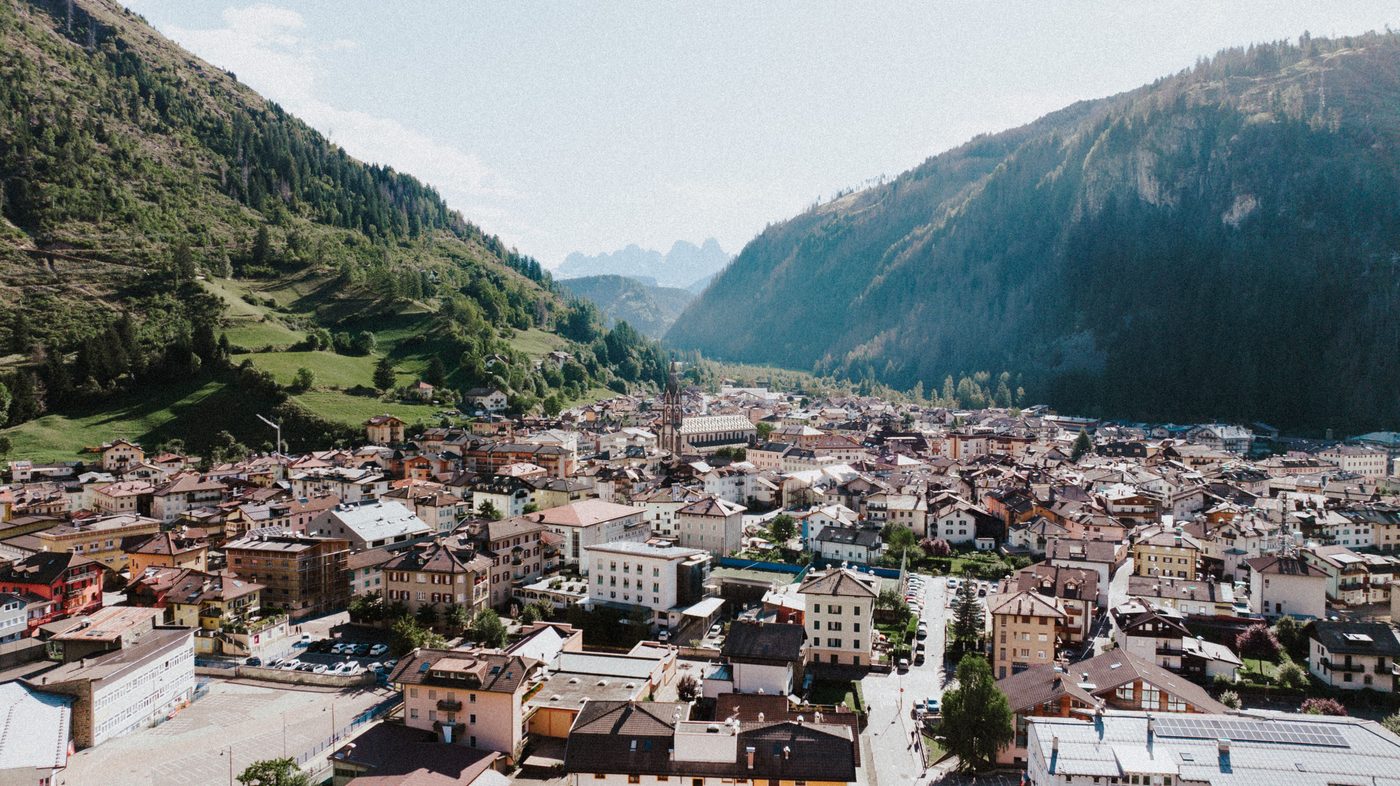
Pietro, a city boy whose family spends summers in a small Italian Alpine village, and Bruno, a local boy who has never known any life beyond the mountains, become childhood friends whose paths diverge sharply into adulthood, Pietro traveling internationally as a writer, Bruno remaining permanently tied to the mountain life and eventually attempting to build a small dairy farm there, and Paolo Cognetti traces their decades-long, intermittently reconnecting friendship with a spare, precise prose style that treats the mountain landscape itself as inseparable from each man's understanding of who he actually is. What gives the novel its genuine emotional power is Cognetti's refusal to simply valorize either man's choice, rendering both Pietro's restless searching and Bruno's rooted permanence as containing real value and real cost in roughly equal measure.
Two Divergent Relationships to the Same Landscape
Pietro and Bruno's fundamentally different relationships to the same Alpine landscape, Pietro's as chosen retreat and occasional return, Bruno's as inescapable, defining home, provides the novel's central structural contrast, and Cognetti renders both relationships with genuine specificity and respect.
A Friendship Sustained Through Long Absence and Reconnection
The novel traces Pietro and Bruno's friendship across decades of intermittent contact, long absences followed by genuine reconnection, and Cognetti renders this pattern with real psychological credibility regarding how significant childhood friendships can persist despite dramatically diverging adult lives.
Pietro's Restless Search as Genuine Rather Than Simple Escape
Pietro's international travels and restless searching for purpose and belonging receive genuine narrative sympathy rather than being framed as simple rootless escape from authentic connection, and Cognetti allows his searching real, if incomplete, value.
Bruno's Rootedness as Both Genuine Fulfillment and Real Limitation
Bruno's permanent attachment to the mountains and his attempt to build a life there through dairy farming receives equally genuine treatment, rendered as authentic fulfillment while Cognetti simultaneously acknowledges the real economic and personal limitations this rootedness imposes.
Fathers and the Inheritance of Relationship to Landscape
Both men's relationships to their own fathers, particularly Pietro's complicated connection to his father's own mountain devotion, shape their adult choices, and Cognetti examines how landscape attachment can be inherited, resisted, or reclaimed across generations.
The Mountain Itself as a Character With Genuine Presence
Cognetti renders the Alpine landscape with such sustained, specific attention that it functions almost as a third character in the friendship, shaping and constraining both men's choices with a presence that exceeds simple scenic backdrop.
Building a Life as Deliberate, Extended Metaphor
Bruno's literal project of building a small stone house and dairy operation in the mountains provides Cognetti's extended, deliberate metaphor for the broader work of constructing an adult identity and life, whether rooted in place or built through movement.
Spare, Precise Prose Suited to Its Landscape Subject
Cognetti's prose style remains spare and precise throughout, avoiding both overwrought lyricism and emotional distance, a register that suits the novel's mountain setting and its examination of understated, enduring male friendship.
An Ending That Refuses to Resolve the Two Men's Divergent Paths
The novel's conclusion, involving genuine loss, refuses to simply vindicate one man's life choice over the other's, instead honoring both Pietro's searching and Bruno's rootedness as genuine, valid, and costly ways of building a meaningful life.
Why The Eight Mountains Remains an Acclaimed Work of Contemporary Fiction
The Eight Mountains endures as an acclaimed contemporary novel because Cognetti's refusal to simply valorize either restless searching or rooted permanence, combined with his spare, precise treatment of both friendship and landscape, produces a genuinely moving meditation on what different life choices actually cost and offer.
Pros and Cons
Pros:
- Renders both restless searching and rooted permanence as genuinely valuable rather than favoring either
- Traces a decades-long friendship with real psychological credibility through long absences
- The Alpine landscape functions with genuine presence exceeding simple scenic backdrop
- Spare, precise prose style suits its subject without overwrought lyricism or emotional distance
- Refuses easy resolution regarding which life path was ultimately more worthwhile
Cons:
- Its spare, understated style may feel emotionally distant for readers expecting more overt sentiment
- The decades-spanning structure means some periods of the friendship receive brief treatment
- Limited female character development, with the novel's focus remaining tightly on male friendship
Frequently Asked Questions
Is this book originally written in English?
No, it was originally written in Italian and has been translated into English while retaining its distinctive spare, precise style.
Did this novel win any major awards?
Yes, it won Italy's prestigious Strega Prize and received significant international critical acclaim.
Is this primarily about mountains or about friendship?
It's genuinely both, treating the Alpine landscape as inseparable from the two central characters' friendship and individual identities.
Does the novel favor one character's life choices over the other's?
No, it deliberately refuses to vindicate either Pietro's searching or Bruno's rootedness, honoring both as valid and costly.
Final Verdict
The Eight Mountains earns its acclaim through Paolo Cognetti's refusal to simply valorize either Pietro's restless international searching or Bruno's rooted mountain permanence, rendering both as genuinely valuable and genuinely costly ways of building a life. The spare, precise prose and the Alpine landscape's sustained, almost character-like presence give the decades-spanning friendship real emotional weight. Its Strega Prize recognition reflects a genuine achievement in understated, deeply felt contemporary fiction.
Rating: 4.4/10