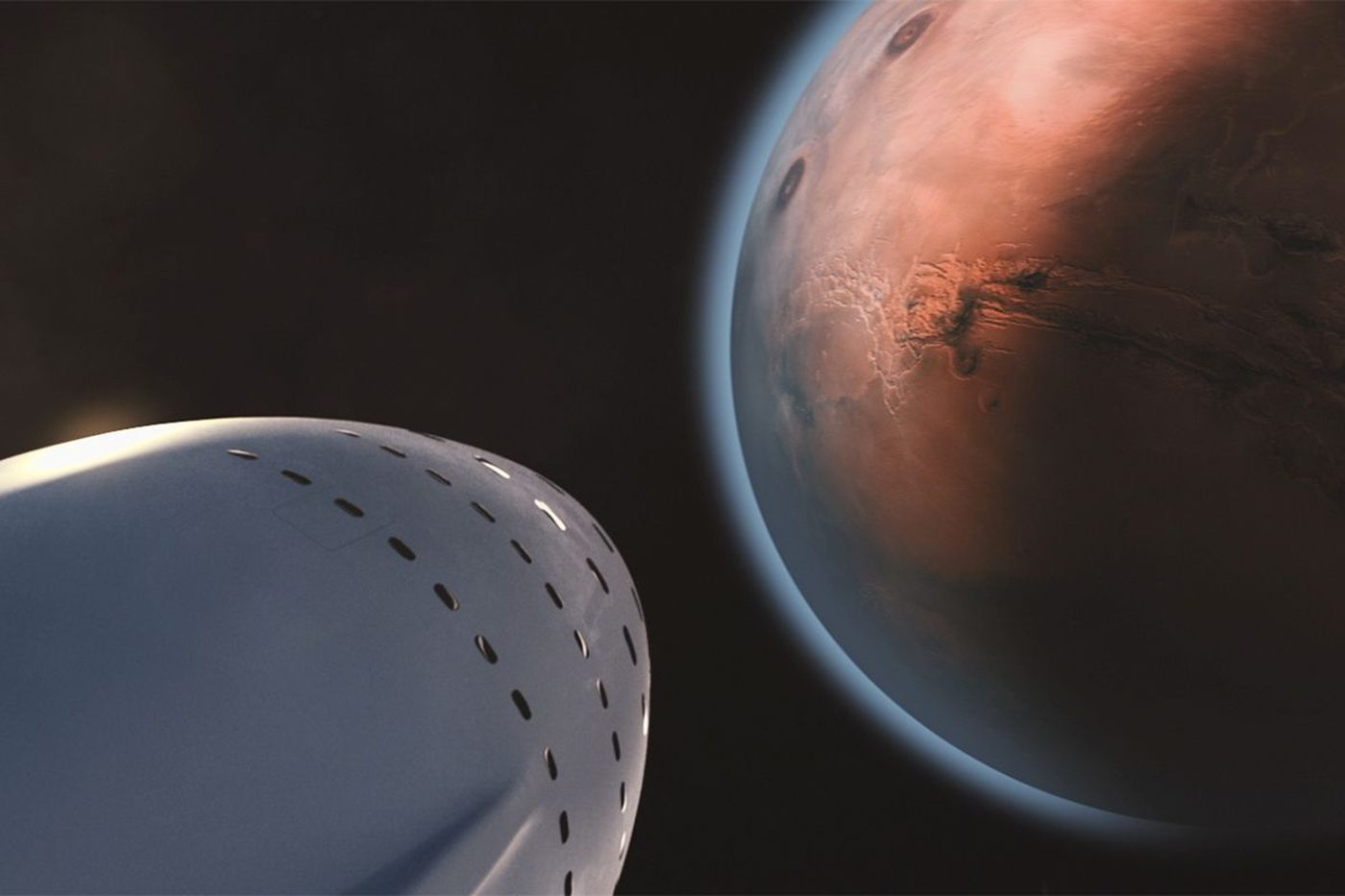
Rather than a single continuous narrative, The Martian Chronicles unfolds as a series of connected short stories and vignettes tracing human exploration and eventual colonization of Mars across several decades, from early failed expeditions destroyed by initially misunderstood Martian civilization through eventual successful settlement and the specific, often melancholy human patterns of destruction, nostalgia, and displacement that settlement brings along with it. Ray Bradbury uses this episodic structure to examine colonialism, environmental destruction, and human nature with a poetic, often deeply melancholy prose style that distinguishes the collection from more technically focused science fiction, producing a work less interested in the specific mechanics of space travel than in what humanity actually carries with it, for better and considerably more often for worse, wherever it goes.
An Episodic Structure Built From Connected Short Stories
Rather than a unified novel, Bradbury constructs the collection from individual short stories and brief vignettes, originally published separately before being arranged into a connected chronological sequence, and this structure allows him to examine Mars colonization from multiple distinct angles and time periods without requiring a single, continuous narrative thread to connect every individual story's specific concerns.
Early Expeditions and the Destruction of Martian Civilization
The collection's opening stories trace a series of early human expeditions to Mars, several of which end in disaster due to initial human failure to understand the sophisticated, telepathically capable Martian civilization they encounter, and Bradbury renders this early misunderstanding and eventual destructive conflict with genuine tragic weight regarding what's lost through human failure to recognize genuine difference.
A Direct, Pointed Colonial Allegory
Throughout the collection, Bradbury constructs a direct, pointed allegory regarding historical human colonialism, using the specific destruction of Martian civilization and culture to examine, with genuine moral seriousness, the actual human historical pattern of displacing and destroying indigenous populations and cultures encountered during exploration and settlement.
Poetic, Melancholy Prose Distinct From Technical Science Fiction
Bradbury's prose style throughout the collection remains notably poetic and emotionally evocative rather than technically focused on the specific mechanics of space travel or Martian ecology, a stylistic choice that distinguishes the collection from more conventionally technical science fiction and reflects Bradbury's own stated primary interest in human nature and emotional experience over hard scientific speculation.
Human Settlement as Recreation of Earth's Familiar Patterns
As human settlement of Mars proceeds throughout the collection, Bradbury examines with pointed specificity how settlers recreate familiar Earth patterns and structures, including small-town American life and its accompanying social conformity and prejudice, suggesting that humans carry their specific cultural patterns, for better and worse, wherever they physically relocate.
'There Will Come Soft Rains' as a Devastating Standalone Story
One of the collection's most famous individual stories, depicting an automated house continuing its daily routines long after a nuclear war has eliminated its human inhabitants, provides a genuinely devastating standalone meditation on technology, absence, and humanity's capacity for self-destruction, frequently anthologized separately given its particular power and thematic concentration.
Nostalgia and Loss as Persistent Emotional Undercurrents
Throughout the collection, Bradbury maintains persistent thematic interest in nostalgia and loss, both regarding the destroyed Martian civilization and, in later stories, regarding Earth itself as settlers grapple with displacement and changed circumstances, giving the collection a consistent melancholy emotional register beneath its more adventurous science fiction surface.
Racial and Social Commentary Embedded Within Individual Stories
Several individual stories within the collection incorporate direct, pointed social commentary regarding racial prejudice and social conformity, using the Mars setting to examine these very Earth-bound human patterns with a critical distance the science fiction framing makes possible, reflecting Bradbury's broader interest in using speculative settings to examine genuine contemporary social concerns.
A Structure That Allows Genuine Tonal and Thematic Range
The collection's episodic structure allows genuine tonal range across its individual stories, moving between adventure, tragedy, satire, and quiet melancholy without requiring artificial consistency, giving Bradbury flexibility to examine his central themes from multiple different angles and emotional registers throughout the overall collection.
Why The Martian Chronicles Remains a Significant Work of Science Fiction
The Martian Chronicles' combination of poetic prose style, direct colonial allegory, and genuine emotional and thematic range across its connected stories secured its lasting significance as one of science fiction's most literary and thematically substantial achievements, its examination of what humans carry with them wherever they settle remaining genuinely relevant well beyond its specific Mars colonization premise.
Pros and Cons
Pros:
- Episodic structure allows examination of Mars colonization from multiple distinct angles and time periods
- Constructs a direct, morally serious allegory regarding historical human colonialism
- Poetic, emotionally evocative prose style distinguishes it from more technically focused science fiction
- 'There Will Come Soft Rains' provides a genuinely devastating standalone meditation on self-destruction
- Embeds pointed social commentary regarding racial prejudice and conformity within individual stories
Cons:
- Episodic, connected short story structure means less sustained character development than a unified novel
- Some individual stories vary noticeably in tone and quality across the overall collection
- Certain 1950s-era social and technological assumptions reflect its original publication context
Frequently Asked Questions
Is this a single continuous novel or a short story collection?
It's a collection of connected short stories and vignettes arranged in chronological sequence, rather than a single unified continuous narrative.
Is this primarily about the technical details of space travel?
No, Bradbury's interest lies more in human nature and emotional experience than in technical scientific speculation about space travel mechanics.
What is 'There Will Come Soft Rains' about?
It's one of the collection's most famous individual stories, depicting an automated house continuing its routines after a nuclear war has eliminated its human inhabitants.
Does the collection address colonialism directly?
Yes, it constructs a direct, pointed allegory regarding historical human colonialism through the destruction of Martian civilization by human settlers.
Final Verdict
The Martian Chronicles earns its significant place in science fiction through Ray Bradbury's poetic, emotionally evocative approach to Mars colonization, using his episodic structure to construct a direct, morally serious allegory about colonialism and the destructive patterns humans carry wherever they settle. His prose style, prioritizing human nature and emotional experience over technical speculation, distinguishes the collection from more conventional science fiction, while standalone pieces like 'There Will Come Soft Rains' demonstrate genuine, concentrated thematic power. Its examination of nostalgia, loss, and humanity's capacity for both destruction and recreation of familiar patterns remains genuinely resonant decades after publication.
Rating: 4.6/10