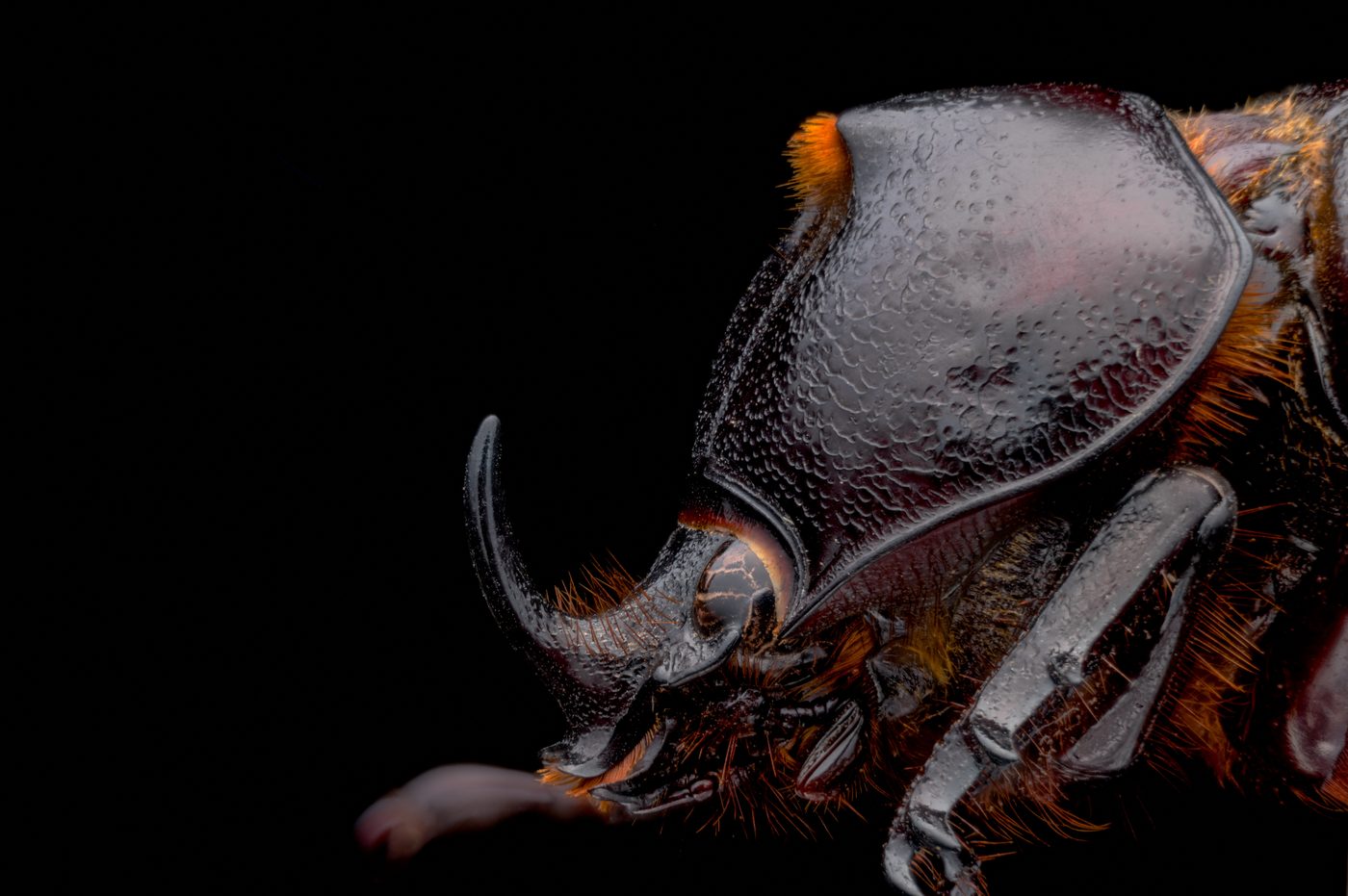
The novella's famous opening sentence delivers the transformation as already accomplished fact, no explanation offered - Gregor Samsa wakes up as a giant insect and the story simply proceeds from there. That refusal to explain is deliberate, and it redirects your attention exactly where Kafka wants it: not on how or why, but on what his family does next.
No Explanation, and That's the Whole Point
Kafka never explains the transformation's cause - no science fiction mechanism, no curse, no dream logic clarified later. This absence of explanation is a deliberate formal choice forcing readers to accept the premise and move directly to its human consequences, which is where Kafka's actual interest lies throughout the novella.
Gregor as Breadwinner Before and After
Before his transformation, Gregor was the family's primary financial support, working an exhausting, resented traveling sales job specifically to pay off his parents' debt. His transformation strips him of that function overnight, and tracking exactly how the family's treatment of him shifts in direct proportion to his usefulness is the novella's sharpest, most quietly devastating throughline.
The Family's Gradual, Specific Withdrawal
Rather than immediate rejection, the novella tracks a gradual, specific withdrawal of care and attention from Gregor by his parents and sister Grete - initial shock and concealment, followed by declining effort at communication and comfort, followed eventually by open resentment at his continued existence. This incremental structure is more unsettling than instant rejection would be, because it mirrors how real relationships can erode.
Grete's Arc as the Novella's Real Emotional Core
Gregor's sister Grete initially takes on his care with apparent devotion, but her own gradual transformation across the story - from caretaker to someone advocating for his removal - is arguably the novella's most carefully tracked emotional arc, complicating any simple reading of the family as uniformly cruel from the start.
A Story About Usefulness and Belonging, Not Body Horror
Despite its famous premise, this isn't really horror fiction - the insect transformation is the mechanism, not the point. The novella's actual concern is how contingent belonging and care can be on continued usefulness, a question that applies well beyond its fantastical premise to ordinary family and economic relationships.
The Father's Specific, Violent Rejection
Gregor's father, a largely passive, financially dependent figure before the transformation, undergoes his own notable shift once Gregor can no longer provide income - reasserting authority through the household with a hostility toward Gregor that includes at least one act of direct physical violence, marking one of the novella's most pointed illustrations of usefulness determining familial standing.
The Three Lodgers as a Late, Pointed Humiliation
Late in the novella, the family takes in three lodgers to replace Gregor's lost income, and their reaction upon accidentally discovering Gregor's existence functions as one final, specific humiliation that directly precipitates the family's open declaration that he must be gotten rid of, tightening the novella's argument about conditional belonging to its sharpest point.
Kafka's Precise, Unadorned Prose Style
Kafka renders even the novella's most bizarre content in flat, precise, unadorned prose rather than heightened or gothic language, and this deliberate stylistic restraint is part of what makes the story's horror feel bureaucratic and mundane rather than sensational - a technique that has become closely associated with the term 'Kafkaesque' itself.
The Novella's Final Paragraph and Its Unsettling Irony
Without spoiling the specific ending, the novella's closing paragraph shifts attention entirely away from Gregor toward his family's own forward-looking relief and renewal, a final structural choice that delivers the story's argument about conditional belonging with real, deliberate coldness rather than softening it into sentiment.
Who Should Read This
Readers interested in a short, formally daring novella that uses a fantastical premise for genuinely serious psychological and social examination, anyone curious about Kafka's actual prose style beyond the cultural shorthand of 'Kafkaesque,' and readers who appreciate dense, efficient short fiction that rewards rereading.
Pros and Cons
Pros:
- Extraordinarily efficient - achieves real depth and complexity in a very short length
- Refuses easy explanation, keeping focus entirely on human consequences
- Grete's gradual arc adds real complexity beyond simple family cruelty
- Rewards rereading, revealing the incremental structure of the family's withdrawal
Cons:
- The lack of explanation for the central transformation frustrates readers wanting more concrete answers
- Genuinely bleak, with little narrative comfort offered by the ending
Frequently Asked Questions
Why doesn't Kafka explain how Gregor turned into an insect?
It's deliberate - the absence of explanation forces focus onto the family's response rather than the mechanism of transformation itself.
Is this horror fiction?
Not really - the transformation is a device for examining family relationships and contingent belonging, not the story's actual point.
Does the father play a major role in the story?
Yes - his own shift toward authority and hostility once Gregor stops earning income is one of the novella's sharpest illustrations of its central argument.
How does the novella actually end?
Without spoiling specifics, its closing paragraph deliberately shifts focus away from Gregor entirely, delivering the story's argument with real coldness rather than sentiment.
Final Verdict
This remains a remarkably efficient, still-unsettling piece of short fiction - not because of its strange premise, but because of how precisely it tracks what happens to belonging once usefulness disappears.
Rating: 9.0/10