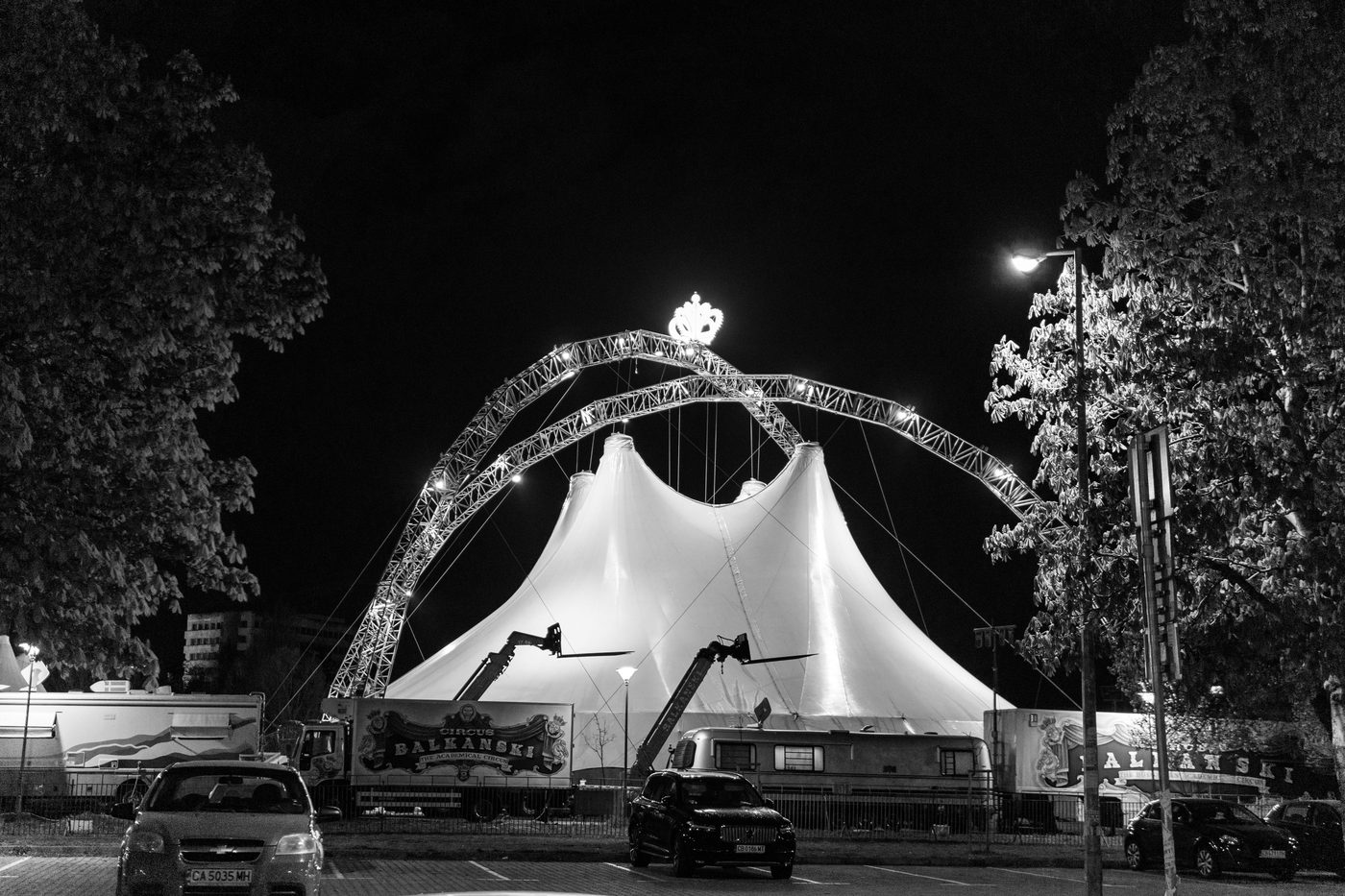
Celia and Marco are bound as children, without their knowledge or consent, into a mysterious magical competition orchestrated by two rival, elderly magicians, and Erin Morgenstern stages this competition through Le Cirque des Reves, a black-and-white traveling circus that only opens at night and whose impossible tents each contain a fresh act of genuine, breathtaking magic. What distinguishes The Night Circus within contemporary fantasy is Morgenstern's willingness to let the circus itself, its atmosphere, its performers, its devoted fans who follow it across continents, occupy as much narrative attention as Celia and Marco's central competition and eventual romance, producing a novel that functions as much as an immersive sensory experience as a conventional plot-driven story.
A Competition Neither Combatant Fully Understands
Celia and Marco's binding into their magical competition as children, without genuine informed consent or clear understanding of the game's actual rules or stakes, provides the novel's central ethical tension, and Morgenstern uses this uncertainty to examine the specific cruelty of using children as unwitting instruments in adult games.
Le Cirque des Reves as Genuinely Immersive World-Building
Morgenstern renders the circus's black-and-white aesthetic and its individual magical tents with unusually immersive sensory detail, and this world-building receives sustained narrative attention comparable to the central plot, making the circus itself feel like a genuine character rather than mere backdrop.
The Rêveurs as a Study in Devoted Fan Community
The novel's recurring attention to the Rêveurs, devoted fans who follow the circus across its travels and develop their own community and rituals around it, provides an unusual and effective examination of how genuine wonder can generate lasting communal devotion and identity.
Celia and Marco's Competition as Vehicle for Genuine Connection
Despite functioning as unwitting adversaries, Celia and Marco's competition gradually becomes a vehicle for genuine creative collaboration and romantic connection, and Morgenstern renders this development with real emotional credibility rather than simple enemies-to-lovers convention.
Nonlinear Structure Spanning Decades of Circus History
The novel's nonlinear structure, moving across several decades of the circus's operation and Celia and Marco's parallel development, requires active reader engagement to assemble chronologically, and Morgenstern rewards this attention with a richer, more textured sense of the circus's cumulative history.
The Elder Magicians as Cold, Genuinely Unsettling Antagonists
The two rival magicians who orchestrated the competition, prioritizing their abstract magical rivalry over any genuine concern for Celia and Marco's welfare, provide the novel's clearest antagonistic force, and Morgenstern renders their detachment as genuinely unsettling precisely because it lacks conventional villainous motivation.
Secondary Circus Performers Rendered With Individual Specificity
Beyond its central romance, the novel populates the circus with numerous secondary performers and staff, each rendered with individual specificity and their own relationship to the circus's magic, giving the ensemble genuine depth beyond simple background color.
Prose Style That Prioritizes Atmosphere and Sensory Immersion
Morgenstern's prose consistently prioritizes atmospheric, sensory description over rapid plot advancement, and this stylistic choice, while occasionally slowing narrative momentum, is central to the novel's distinctive, immersive reading experience.
An Ending That Resolves the Competition Without Losing Its Wonder
The novel's conclusion resolves Celia and Marco's competition and its underlying rules with genuine narrative satisfaction while preserving the circus's essential magic and wonder, avoiding an ending that would deflate the atmospheric investment built across the preceding narrative.
Why The Night Circus Remains a Landmark of Atmospheric Fantasy
The Night Circus endures as a landmark fantasy novel because Morgenstern's willingness to prioritize immersive atmosphere and world-building alongside conventional plot produced a genuinely distinctive reading experience, demonstrating that sustained sensory wonder could carry as much narrative weight as traditional plot mechanics.
Pros and Cons
Pros:
- Renders Le Cirque des Reves with unusually immersive, sustained sensory world-building
- The Reveurs subplot offers a genuinely effective examination of devoted fan community
- Transforms an unwitting competition into genuine creative collaboration and connection
- Populates its ensemble with individually specific secondary performers rather than background color
- Resolves its central plot without deflating the circus's essential atmospheric wonder
Cons:
- The nonlinear, decades-spanning structure requires active engagement to follow chronologically
- Atmospheric, sensory prose occasionally slows plot momentum for readers wanting faster pacing
- The elder magicians' abstract motivations remain somewhat underdeveloped as antagonists
Frequently Asked Questions
Is this book more about atmosphere or plot?
It deliberately balances both, giving sustained narrative attention to the circus's sensory world alongside its central competition plot.
Is the nonlinear structure difficult to follow?
It requires attention, since the novel jumps across different points in the circus's decades-long history, but chapter headers help orient readers chronologically.
Do I need fantasy genre background to enjoy this book?
No, it's accessible to readers new to fantasy, with world-building explained gradually through the narrative itself.
Is this primarily a romance novel?
It contains a significant romantic thread, but the circus's atmosphere and world-building receive comparable narrative attention throughout.
Final Verdict
The Night Circus earns its landmark status through Erin Morgenstern's willingness to let Le Cirque des Reves's immersive atmosphere and world-building carry as much narrative weight as Celia and Marco's central competition, producing a genuinely distinctive reading experience. The Reveurs subplot and the ensemble of individually specific performers give the circus real depth beyond mere magical backdrop. Since publication, its atmospheric approach has remained a significant and influential touchstone within contemporary fantasy.
Rating: 4.5/10