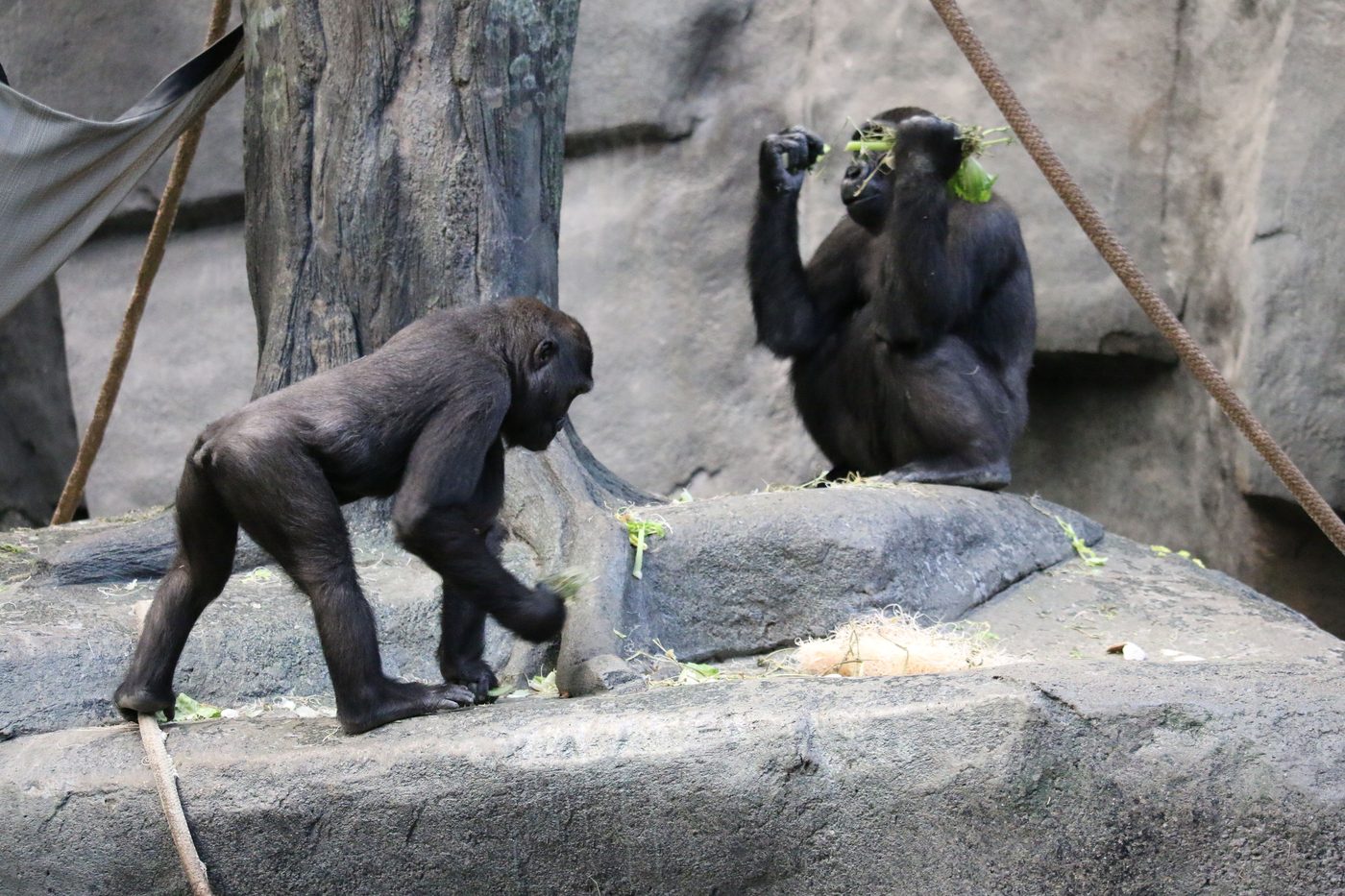
Ivan, a gorilla who has lived for years inside a small shopping mall enclosure as the main attraction of a struggling roadside circus and menagerie, narrates Katherine Applegate's novel with a distinctive, quietly resigned voice, having grown so accustomed to his confined circumstances that he's largely stopped actively remembering or missing the jungle life he was taken from as an infant. Applegate based the novel loosely on the real story of Ivan, an actual gorilla who spent decades in a Washington state shopping mall before public advocacy eventually secured his transfer to a proper zoo habitat, and she uses this true premise to construct a genuinely moving examination of captivity, memory, art, and the specific bond Ivan forms with a newly arrived baby elephant that eventually motivates him to actively seek a better life for both of them.
A Gorilla's Distinctive First-Person Narrative Voice
Applegate's decision to narrate the entire novel from Ivan's specific first-person perspective, rendered in spare, carefully considered prose reflecting his particular way of processing and describing his experience, gives the novel a genuinely distinctive voice that conveys real interiority and specific personality without anthropomorphizing him into simply a human character in gorilla form.
Based on a Real Gorilla's Actual Documented Story
The novel draws directly on the real story of Ivan, an actual gorilla held for decades in a Washington state shopping mall enclosure before sustained public advocacy eventually secured his transfer to Zoo Atlanta, and this true foundation gives the novel's examination of captivity and animal welfare genuine documentary weight beyond pure fiction.
Memory and Forgetting as Central Psychological Themes
Ivan's gradual admission that he has largely stopped actively remembering his early jungle life, having adapted psychologically to survive his long confinement, provides the novel's central psychological insight, examining how genuine adaptation to difficult circumstances can involve a kind of protective forgetting that isn't necessarily healthy despite functioning as a survival mechanism.
Stella the Elephant and the Weight of Witnessed Suffering
Ivan's relationship with Stella, an aging elephant also held in the same enclosure whose failing health and past suffering he witnesses directly, provides crucial emotional and narrative catalyst, her specific request that Ivan find a better life for the newly arrived baby elephant Ruby setting the novel's central plot into motion.
Ruby's Arrival as Genuine Narrative and Emotional Catalyst
The arrival of Ruby, a baby elephant captured from the wild and brought to join the failing menagerie, reawakens Ivan's dormant memories and protective instincts in ways his own long confinement hadn't, and Applegate uses this relationship to examine how witnessing someone else's fresh suffering can reactivate feelings and motivations that self-focused adaptation had previously suppressed.
Art as a Specific Form of Communication and Agency
Ivan's genuine talent for finger painting, initially exploited by the mall's owner as a commercial novelty, becomes over the course of the novel a specific, meaningful form of communication and eventually agency, as Ivan uses his art to attempt communicating his and Ruby's need for genuine rescue to the humans who visit the failing mall attraction.
A Sharp, Specific Critique of Roadside Animal Attractions
Beyond its central character relationships, the novel offers genuine, specific critique of roadside zoo and circus attractions that keep animals in inadequate, commercially motivated captivity, grounding this critique in enough concrete detail about the mall enclosure's genuine inadequacy to give the novel's advocacy real substance beyond abstract moral statement.
Julia's Friendship as a Bridge Between Ivan and the Human World
The relationship between Ivan and Julia, the young daughter of the mall's janitor who recognizes his art and genuine intelligence, provides a crucial bridge between Ivan's perspective and human understanding, and her specific advocacy on his behalf drives significant plot developments toward the novel's eventual resolution.
A Genuinely Earned, Historically Grounded Resolution
The novel's eventual resolution, involving Ivan and Ruby's transfer to a proper zoo habitat, feels genuinely earned both through the careful narrative and emotional buildup preceding it and through its grounding in the real historical outcome of the actual Ivan's story, giving the fictional resolution real-world weight and credibility.
Why The One and Only Ivan Remains a Significant, Moving Work
The One and Only Ivan's combination of a genuinely distinctive narrative voice, grounding in real documented events, and sharp but specific critique of inadequate animal captivity has secured its significant critical and popular recognition, its examination of memory, witnessed suffering, and eventual agency continuing to resonate with readers of all ages well beyond its animal welfare subject matter alone.
Pros and Cons
Pros:
- Ivan's distinctive first-person voice conveys genuine interiority without simple anthropomorphizing
- Grounded in the real documented story of an actual captive gorilla, giving it genuine documentary weight
- Examines memory and protective forgetting as genuine, complex psychological survival mechanisms
- Offers sharp, specific critique of inadequate roadside animal captivity beyond abstract moral statement
- Resolution feels genuinely earned through both narrative buildup and grounding in real historical outcome
Cons:
- Genuinely difficult content regarding animal suffering and captivity may be intense for sensitive readers
- Spare, distinctive prose style requires some adjustment for readers expecting more conventional narration
- Some readers may want more resolution regarding the broader systemic issues the novel critiques
Frequently Asked Questions
Is this book based on a true story?
Yes, it's based on the real story of Ivan, an actual gorilla held for decades in a Washington state shopping mall before public advocacy secured his transfer to Zoo Atlanta.
Is this book appropriate for young readers given its themes?
It's written for middle-grade readers and handles genuinely difficult themes about captivity and suffering with care appropriate for its intended age group, though sensitive readers should be aware.
Who narrates the novel?
The entire novel is narrated in first person by Ivan the gorilla, giving readers direct access to his specific perspective and voice throughout.
Does the novel have a happy ending?
Yes, its resolution, grounded in the real historical outcome of the actual Ivan's story, provides genuine, earned narrative satisfaction.
Final Verdict
The One and Only Ivan succeeds through Katherine Applegate's remarkable achievement in giving her gorilla narrator genuine interiority and a distinctive voice without simply anthropomorphizing him into a human character in disguise. Grounded in the real documented story of an actual captive gorilla, the novel's examination of memory, protective forgetting, and the way witnessing someone else's fresh suffering can reactivate dormant motivation gives it genuine psychological and emotional depth. Its sharp but specific critique of inadequate animal captivity, paired with a resolution earned through both narrative craft and real-world grounding, makes it a genuinely moving work well beyond its animal welfare subject matter alone.
Rating: 4.8/10