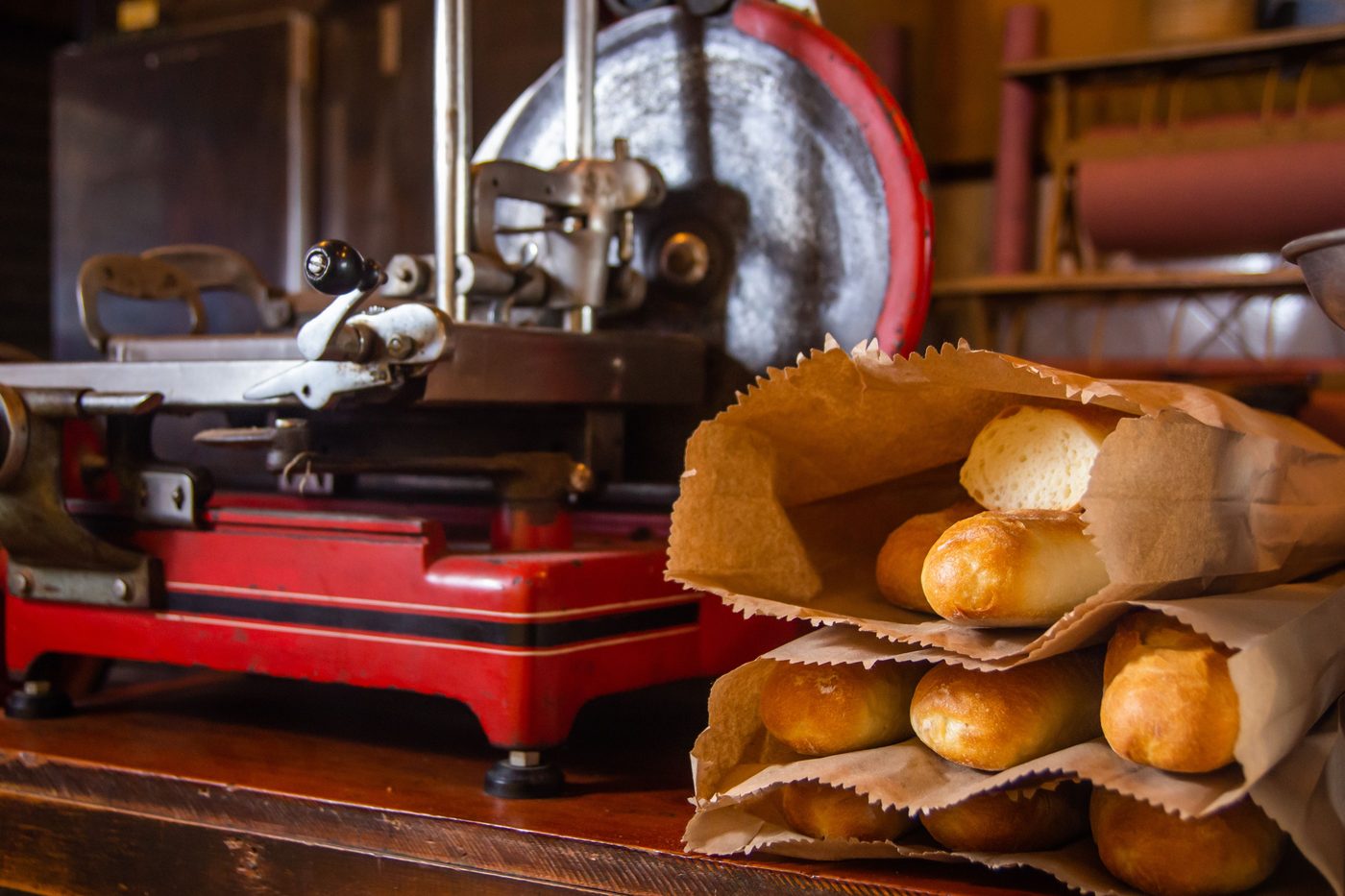
A lonely night-shift baker named Sage Singer strikes up a friendship with an elderly man at her grief support group, only to have him confess that he was once an SS officer at Auschwitz — and ask her, specifically because her grandmother is a Holocaust survivor, to help him die. That's the hook Jodi Picoult built her 2013 novel around, and it's a heavier, stranger premise than most of her courtroom-drama-adjacent bestsellers. This review works through what critics actually published about it, the real reader numbers, and the parts of the book — particularly its late twist — that reviewers have argued about for over a decade, so you can decide whether this is the Picoult novel to start with.
What The Storyteller Actually Is
The novel is told in four alternating voices, and the publisher printed each one in a different typeface so readers can track whose section they're in without checking a chapter heading: Sage, the baker who narrates the present day; Leo Stein, a Department of Justice Nazi hunter who gets pulled in once Sage reports what Josef told her; Josef Weber, the elderly man making his confession; and Minka, Sage's grandmother, whose long first-person account of surviving the Lodz ghetto and then Auschwitz takes up a substantial middle stretch of the book. Structurally, that middle section is the part most reviewers single out — Minka's story is close to a novel within the novel, detailed enough that it could stand alone, and several critics have said it's the strongest writing in the book by a clear margin.
The present-day plot turns on a specific moral question: can genuine remorse, however sincere, actually earn forgiveness for something on the scale of what Josef did, and is Sage — a young woman with no personal memory of the Holocaust, only her grandmother's inherited trauma — the right person to grant it. Picoult keeps that question open for most of the book rather than resolving it early, which is part of why the ending draws as much discussion as it does.
The publisher's decision to print each narrator's chapters in a distinct typeface is a small production detail that ends up doing real narrative work: it lets Picoult cut between Sage, Leo, Josef, and Minka without confusing the reader about whose perspective they're in, and it visually reinforces how separate these four accounts are before the plot pulls them together. Several reviewers have pointed to this structural choice as part of why the book manages four narrators without the momentum collapsing the way multi-narrator novels sometimes do when the voices blur together.
About Jodi Picoult and Why She Wrote This
Picoult is a Princeton- and Harvard-educated novelist who had already published nineteen books by the time The Storyteller came out in 2013, several of them, including My Sister's Keeper and Nineteen Minutes, adapted for film or turned into bestsellers built around a courtroom or ripped-from-the-headlines ethical dilemma. She's said in interviews that this book started somewhere different: with Simon Wiesenthal's real memoir The Sunflower, in which Wiesenthal, as a concentration camp prisoner, was brought to the bedside of a dying Nazi soldier who wanted a Jewish person to hear his confession and forgive him. Picoult has described re-reading that book and asking herself what would happen if the same request landed decades later, not on a prisoner himself, but on his granddaughter.
She's also been direct that she has no Holocaust survivors in her own family and grew up with only a high-school unit's worth of exposure to the subject, which is part of why she's described the research for this book as some of the most emotionally difficult she's done. She met with multiple Holocaust survivors directly, and has said some of what they told her fed into Minka's fictional history — not as a one-to-one transcription of any single survivor's story, but as material she drew on to make Minka's account feel accurate to the real texture of that history rather than invented from research alone.
The book Picoult has cited as her single biggest influence going into this project, Elie Wiesel's Night, was in fact the only Holocaust text she remembers reading in school, and she's talked about that gap in her own education as part of what motivated her to write something that could sit alongside it for a new generation of readers, without pretending to replace a survivor's own firsthand account.
How It Compares to The Tattooist of Auschwitz
Heather Morris's The Tattooist of Auschwitz, published a few years later, invites an obvious comparison: both are commercial novels built around Auschwitz survivor material, both became massive bestsellers, and both drew some of the same scrutiny about how closely fiction should hew to real survivor testimony. The difference is source material. Morris built her novel directly from one survivor's account, told to her in person over years, and has faced documented criticism over factual inaccuracies in that specific story. Picoult's approach is more clearly signaled as fiction from the outset — Minka is an invented character whose experiences are informed by, but not a direct transcription of, the survivors Picoult interviewed. If you want the feel of oral survivor testimony shaped into fiction with fewer disputed factual claims attached to it, The Storyteller is the steadier choice of the two.
What Critics Actually Said
Rather than inventing a verdict, here's what was actually published about it:
“A powerful and riveting, sometimes gut-wrenching, read, in which the always compelling Picoult brings a fresh perspective to an oft-explored topic.”— Publishers Weekly
“A fictional testament as horrifying as it is suspenseful.”— Kirkus Reviews
Both of those reviews also came with real reservations, which the next section covers directly rather than burying. And the aggregate reader picture, for what it's worth:
Where Real Reviews Pushed Back
The most specific, recurring critical complaint is about the ending: Kirkus said directly that readers will see the final twist coming far in advance because of what it called unwieldy plot contrivances that end up emphasizing what they're supposed to conceal, rather than hiding it. Publishers Weekly used the word “verbose” and flagged Minka's sections, ironically the part most other reviewers praised, as occasionally formulaic in their construction. Independent reader reviews add a few more specific, consistent notes on top of that: some found the present-day contemporary chapters weaker than the historical ones and felt they strained credibility as the plot mechanics clicked into place, a few flagged the Sage-Josef relationship's tender moments as tipping into sentimentality, and a common broader criticism of Picoult's body of work — that her novels lean on a familiar formula of a family, a moral dilemma, and a courtroom or medical crisis — gets applied here too by longtime readers who've followed her career. None of that erases the book's strengths, but it's a real, sourced picture of where it falls short, not just where it succeeds.
On Josef's Confession and the Question From The Sunflower
The moral question at the book's center — can a sincere deathbed confession from a perpetrator actually be answered with forgiveness, and by whom — is lifted almost directly from Wiesenthal's real dilemma in The Sunflower, and Picoult keeps it deliberately unresolved through most of the novel rather than letting Sage, or the reader, settle it early. Josef's chapters are written to make him neither a cartoon villain nor someone the book asks you to simply absolve; he describes what he did with specificity, and the book resists softening it even as it asks whether decades of a since-lived, ordinary life change anything about what's owed. Reviewers who found the book's themes underexplored elsewhere have generally still credited this particular thread with real moral seriousness.
On Minka's Story and the Weight of Testimony
Minka's account of the Lodz ghetto and then Auschwitz is the section most reviewers point to as the book's clear high point, and it's also where Picoult's survivor interviews show up most directly. It runs long enough, and is detailed enough in its day-to-day specifics, that several reviewers have described it as functioning almost like a self-contained historical novel embedded inside the larger book. A recurring detail readers bring up is that Minka, before the war, was a storyteller herself, working on a manuscript that keeps resurfacing across the decades — a structural choice that ties the book's title directly back to her, not to Josef or Sage, and reframes the whole novel as being fundamentally about who gets to tell a story like this, and how.
On the Ending Critics Argued Over
Without spoiling the specific mechanics, it's worth being upfront that the ending is the single most argued-over element of the book across both professional and reader reviews. Kirkus's criticism that the twist is visible well before it arrives is echoed in a lot of independent reader commentary, and it's a fair thing to know going in if a genuinely surprising final revelation matters to your enjoyment of a novel. What most reviewers agree survives that criticism is the emotional weight the ending carries regardless — even readers who said they saw it coming generally still described the final chapters as landing hard.
Key Takeaways
- The novel's premise traces back to Simon Wiesenthal's real memoir The Sunflower, not to a single survivor's life story
- Picoult interviewed multiple real Holocaust survivors during research, and some of what they told her shaped Minka's fictional account
- Minka's historical narrative is widely considered the book's strongest section, by both professional critics and readers
- The final twist is a genuine, recurring point of criticism — Kirkus and many reader reviews say it's visible well in advance
- The book's central question — whether sincere remorse can earn forgiveness for atrocity — is left deliberately unresolved for most of its length
Who This Book Is Actually For
Readers who want a commercial, page-turning novel that still takes its Holocaust material seriously, and who are specifically drawn to survivor-testimony-style historical fiction woven into a present-day moral drama. It also suits longtime Picoult readers curious about her handling of heavier historical material than her usual courtroom-and-family setup.
Who Should Read Something Else Instead
If a fair-play, genuinely unpredictable twist matters a lot to your enjoyment of a novel, the sourced criticism above is worth taking seriously before you buy. And if you'd rather read Holocaust history without a framing present-day plot layered on top, a work like Elie Wiesel's Night or a straight work of narrative nonfiction will serve you more directly than this book's fiction-within-fiction structure.
Readers who find courtroom-and-crisis plotting formulaic across Picoult's body of work, a criticism that comes up repeatedly among longtime readers of hers, may also want to sample a shorter excerpt first rather than committing to the full length, since this book leans on some of the same structural instincts even with heavier subject matter than her more contemporary novels.
Pros and Cons
Pros:
- Minka's historical narrative is genuinely strong, detailed, and treated with real seriousness
- Grounded in real survivor interviews and a documented real-life moral dilemma from Wiesenthal's The Sunflower
- Strong 4.28 out of 5 rating across more than 225,000 Goodreads ratings on the hardcover alone
- Refuses to offer an easy answer to its central forgiveness question
- Four-narrator structure, distinguished by typeface, is genuinely well-executed and easy to follow
Cons:
- Kirkus and many reader reviews say the final twist is visible far in advance
- Publishers Weekly flagged the prose as verbose in places and Minka's sections as occasionally formulaic
- The present-day contemporary chapters are consistently rated weaker than the historical ones
Frequently Asked Questions
Is The Storyteller based on a true story?
Not directly, but it's rooted in real testimony. Picoult has said she met with several Holocaust survivors during her research, and some of what they told her became part of Minka's fictional history. The book's premise also traces back to Simon Wiesenthal's real memoir The Sunflower, about a dying Nazi asking a Jewish prisoner for forgiveness.
What's the actual Goodreads rating?
4.28 out of 5 from more than 225,000 ratings on the hardcover edition as of this writing, with the Kindle and paperback editions rating slightly higher. Check the live number yourself, since it will keep moving.
Is the ending really that predictable?
Kirkus specifically said readers will see the final twist coming well in advance, and that criticism shows up across independent reader reviews too. It's a real, recurring complaint, though plenty of readers say the emotional payoff still lands regardless of whether the twist itself surprises them.
Do I need to have read other Picoult books first?
No. The Storyteller stands completely on its own and isn't part of a series or connected universe, unlike some of her other novels that share side characters.
Sources & Further Reading
- Goodreads — The Storyteller (aggregate rating, reader reviews)
- Publishers Weekly — The Storyteller review
- Kirkus Reviews — The Storyteller review
- Jewish Telegraphic Agency — Jodi Picoult on the real-life inspiration behind The Storyteller
- Jewish Book Council — The Storyteller
- PositiveLifes.com — free inspirational and life-changing PDF books
Final Verdict
The Storyteller earns its reputation as one of Picoult's most ambitious novels — Minka's story alone justifies the read, and the moral weight of Josef's confession never gets resolved cheaply. The sourced criticism of its predictable twist and occasionally overworked present-day plot is real and worth knowing going in, but it doesn't undo what the book gets right. If you want commercial fiction that treats Holocaust testimony with genuine seriousness rather than as backdrop, this delivers it.
Buy Day rating: 8.4/10