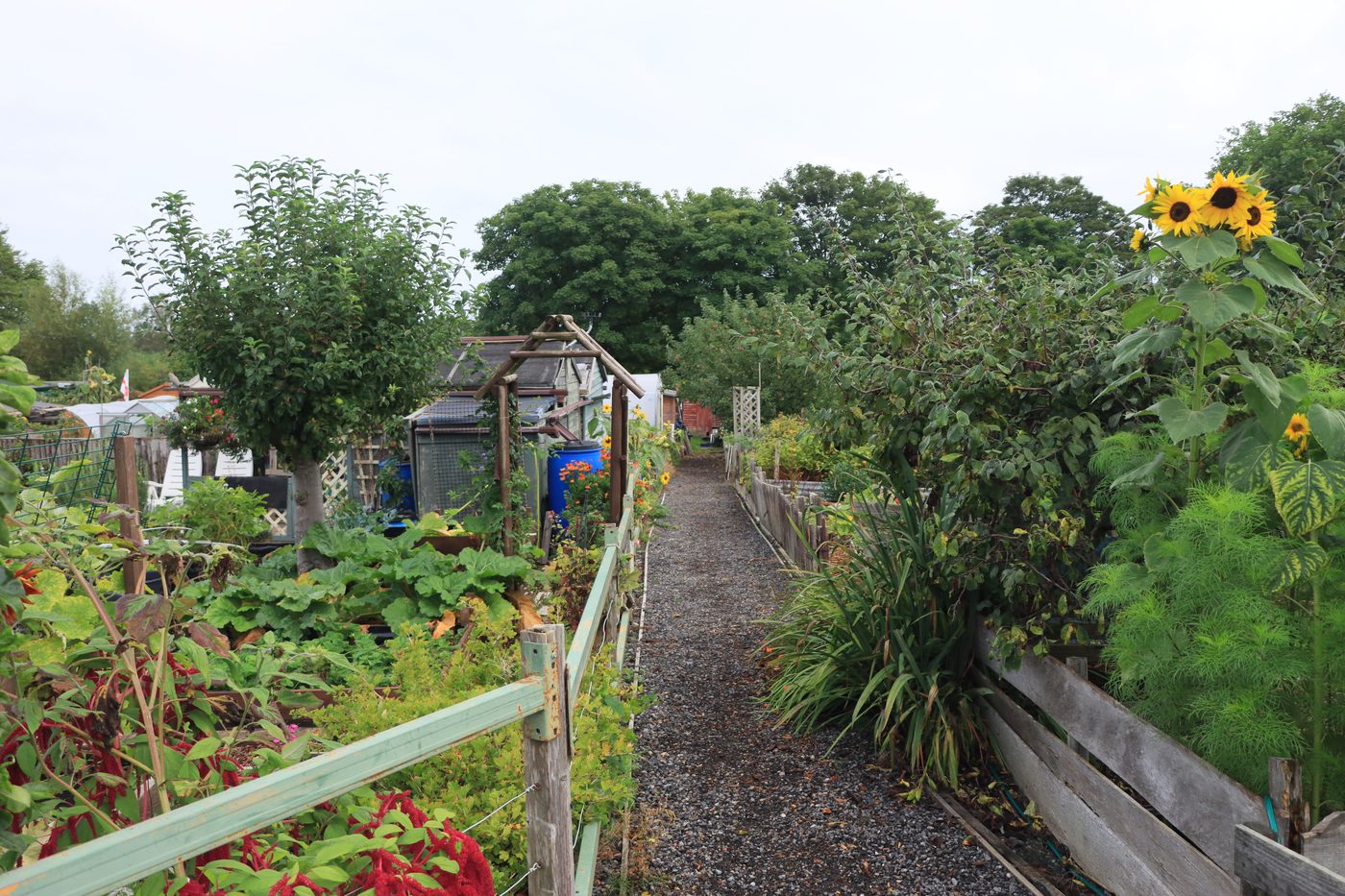
After multiple publishers rejected her manuscript, Beatrix Potter self-published 250 copies of The Tale of Peter Rabbit in 1901, a decision that eventually led to formal publication the following year and, ultimately, one of the best-selling and most widely translated children's books ever written. The story itself is genuinely simple, a young rabbit disobeys his mother's explicit warning and ventures into the forbidden, dangerous garden of Mr. McGregor, narrowly escaping capture after a frightening chase, but Potter's precise, unsentimental prose and her extraordinarily detailed watercolor illustrations, drawn from genuine naturalist observation, elevate the small story into something with real narrative tension and lasting emotional resonance well beyond its brief page count.
Self-Publication Against Publisher Rejection
Potter's decision to self-publish after facing repeated rejection from publishers who doubted the commercial viability of her small, simply told rabbit story reflects genuine authorial conviction, and the eventual success of both her self-published edition and the subsequent formal publication demonstrates how thoroughly the initial publishing skepticism misjudged the story's actual appeal.
Genuine Danger Within a Deceptively Simple Plot
Despite its brief length and simple premise, the story includes genuine narrative tension and real danger, as Peter's disobedience leads to an extended, frightening chase through Mr. McGregor's garden with real stakes, Peter's father having previously been caught and made into a pie, establishing consequences significant enough to give the story genuine dramatic weight despite its small scale.
Potter's Naturalist Background and Illustration Precision
Potter's extensive personal background in naturalist observation and illustration, including detailed studies of actual rabbits, plants, and garden environments, gives her watercolor illustrations remarkable botanical and zoological accuracy, elevating the book's visual component into genuine naturalist art rather than simple decorative illustration.
A Deliberately Unsentimental Prose Style
Unlike more sentimentally toned children's literature of its era, Potter's prose remains notably direct, precise, and even occasionally matter-of-fact about genuine danger and consequence, including direct reference to Peter's father's fate, a tonal choice that respects young readers' capacity to handle real narrative stakes without excessive softening.
Peter as a Believable, Sympathetically Flawed Character
Peter's specific characterization, genuinely disobedient and impulsive but not simply careless or unlikeable, gives the story's moral dimension real credibility, since his poor decision reads as a believable, age-appropriate lapse rather than a simple didactic setup for punishment.
Mr. McGregor as Genuine, Specific Threat
Rather than a vague, abstract danger, Mr. McGregor is rendered as a specific, active threat actively pursuing Peter throughout the garden chase, giving the story's tension real immediacy and stakes appropriate to its young audience without requiring more graphic or extended peril.
The Miniature Book Format as Deliberate Design Choice
Potter specifically designed the book in a small, miniature format intended to fit comfortably in a young child's hands, a deliberate physical design choice that reflects her genuine understanding of her intended audience's actual physical experience of reading, distinguishing the book from standard-format children's publishing conventions of the era.
A Story That Respects Young Readers' Emotional Capacity
Throughout the story, Potter consistently trusts young readers with genuine narrative tension, real consequence, and an ending that, while resolving safely for Peter, doesn't erase the reality of danger or his father's earlier fate, reflecting a broader respect for children's capacity to engage with authentic stakes rather than requiring complete narrative safety.
Foundational Influence on Subsequent Children's Publishing
The commercial and critical success of Peter Rabbit, following Potter's initial self-publication after rejection, significantly influenced subsequent children's book publishing, both in terms of the small-format physical design and in demonstrating genuine commercial viability for simply told, beautifully illustrated animal stories aimed at young children.
Why The Tale of Peter Rabbit Remains a Landmark of Children's Literature
More than a century after its original self-publication, The Tale of Peter Rabbit remains one of the best-selling and most widely translated children's books ever written, its combination of genuine narrative tension, naturalist illustration precision, and Potter's distinctively unsentimental prose style securing its lasting status as a foundational work of children's literature.
Pros and Cons
Pros:
- Genuine narrative tension and real stakes despite its brief length and simple premise
- Potter's naturalist background gives the illustrations remarkable botanical and zoological accuracy
- Deliberately unsentimental prose style respects young readers' capacity for authentic stakes
- Miniature book format reflects genuine consideration of the intended young audience's physical experience
- Foundational commercial and design influence on subsequent children's book publishing
Cons:
- Very brief length means limited character or narrative development compared to longer works
- Some readers may find the reference to Peter's father's fate intense for the youngest audiences
- Simple, direct prose style offers less to analyze compared to more complex children's literature
Frequently Asked Questions
Is this book appropriate for very young children?
Yes, though it includes genuine narrative tension and reference to real danger, which most parents and educators consider appropriate and even valuable for young readers.
Was this book always successful?
No, Beatrix Potter faced rejection from multiple publishers and self-published the first 250 copies before achieving formal publication and eventual widespread success.
Are the illustrations based on real animals and plants?
Yes, Potter's extensive naturalist background and direct observational studies give the watercolor illustrations genuine botanical and zoological accuracy.
Are there sequels or related books?
Yes, Potter wrote numerous related tales featuring other animal characters, many set within the same general world as Peter Rabbit's story.
Final Verdict
The Tale of Peter Rabbit earns its status as a landmark of children's literature through Beatrix Potter's remarkable combination of genuine narrative tension, naturalist illustration precision, and a deliberately unsentimental prose style that respects young readers' capacity for authentic stakes. Her decision to self-publish after facing rejection, and the book's subsequent enormous success, demonstrates how thoroughly initial publishing skepticism misjudged the story's real appeal. More than a century later, its small scale continues to contain genuine narrative and emotional weight well beyond its brief page count.
Rating: 4.8/10