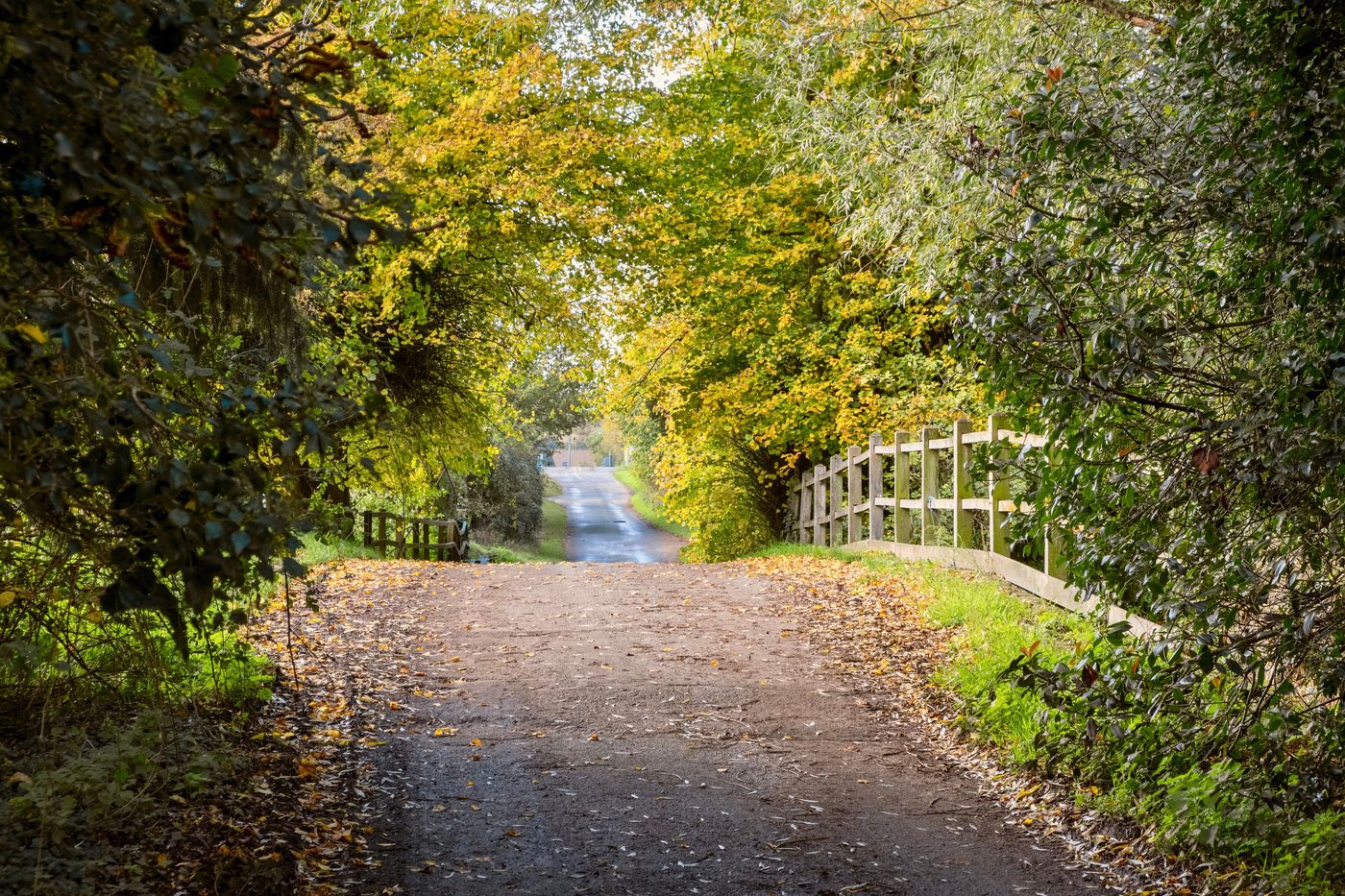
Harold Fry is a retired salesman who, on his way to mail a letter, decides instead to walk more than 600 miles across England on the belief that as long as he keeps walking, an old friend dying of cancer will stay alive. It's a premise that could easily tip into whimsy or manipulation, and Kirkus Reviews said so directly, calling the novel 'manipulative but moving.' This review covers that real critical tension, the actual Booker Prize longlisting, and the honest reader feedback that the 600-mile walk occasionally repeats itself on the page the way any long walk might.
What the Book Actually Is
Harold receives a letter from Queenie Hennessey, a former colleague he hasn't spoken to in twenty years, saying she's dying in a hospice in Berwick-upon-Tweed. He sets out to post a reply, but on impulse keeps walking instead -- all the way from Kingsbridge in the south of England to Berwick in the north, talking to strangers along the way and slowly reckoning with his own marriage, his estranged son, and the person he's become.
About Rachel Joyce and Why She Wrote This
Rachel Joyce read English at Bristol University, then trained as an actress at RADA and spent roughly two decades performing lead roles for the Royal Shakespeare Company, the Royal National Theatre, and the Royal Court, winning a Time Out Best Actress award along the way, before she started writing plays for BBC Radio 4 -- more than twenty of them over the years -- and jointly won the 2007 Tinniswood Award for one of them. Harold Fry actually began life as a short radio play before Joyce expanded it into her debut novel, and she's said that background shaped how she writes fiction: radio forces a writer to keep a story moving because a listener can switch it off at any moment, a discipline she carried straight into the book's steady, mile-by-mile momentum. The more personal source, though, was her father's cancer diagnosis around the time she was writing it. Joyce has said the novel became a way of processing that grief, that writing about a version of him in some sense let her keep him going a little longer, and that she recognized her own position -- a first-time novelist attempting something daunting -- in Harold's decision to set out on a walk he was in no way prepared for.
What Critics Actually Said
The Guardian praised Joyce's "unerring ability to convey profound emotions in simple, unaffected language," calling the novel "an original, quietly courageous testament to the inhuman effort of being normal." Kirkus Reviews was more mixed but still positive, describing it as "manipulative but moving, for readers who don't mind having their strings pulled" -- a specific, honest acknowledgment that the book knows exactly what emotional levers it's using. The novel was longlisted for the Man Booker Prize and shortlisted for the Commonwealth Book Prize, real literary validation alongside its emotional appeal.
Where Real Reviews Pushed Back
Reader reviews consistently note that Harold's 600-mile walk, while compelling overall, "gets a bit repetitious in places" -- a fair structural critique given the book's real-time, mile-by-mile pacing. This matches Kirkus's more pointed 'manipulative' framing: the emotional mechanics of the novel are visible if you're looking for them, even if most readers say the payoff is worth it anyway.
The Real Route, from Kingsbridge to Berwick-upon-Tweed
Harold's walk covers roughly 627 miles over 87 days, from his home in Kingsbridge in South Devon, near England's southern coast, up through Exeter, Bath, Sheffield, and York, to the hospice in Berwick-upon-Tweed a few miles south of the Scottish border -- close to as far apart as two points in England can be. He sets out in the yachting shoes he happened to be wearing, with no map, no proper gear, and no real plan, because Harold has spent his life driving rather than walking and simply doesn't own the equipment a real hiker would pack. Joyce keeps the geography specific and checkable rather than vague, and reading guides built around the novel routinely map the actual towns Harold passes through, treating the walk less as a symbolic gesture than as a real, physically demanding trip an unfit sixty-something man had no business attempting.
On Faith, Pilgrimage, and What Walking Can't Actually Fix
Harold isn't religious, and Joyce is careful never to turn his walk into a conversion story -- there's no tearful epiphany, no sudden faith discovered along the road. What the novel treats seriously instead is pilgrimage as a secular act: the belief, however irrational, that sustained physical effort and intention can matter, can hold a dying friend in place through sheer willpower. Reading guides built around the book describe this as one of its central tensions, faith without religion, hope without evidence, and note that the walk works on Harold less by fixing anything external than by giving him unbroken time to sit with regret, guilt, and memories he'd spent years actively not thinking about.
On Maureen, Grief, and the Marriage Harold Left at Home
Harold's wife Maureen stays behind for most of the novel, and her half of the story runs on its own separate track: a marriage gone quiet and cold long before Harold ever picks up his walking shoes, shaped by grief over their son David that neither of them has actually discussed with the other in years. Joyce alternates between Harold's journey and Maureen's experience of his absence, and it's Maureen's chapters, as much as the walk itself, that reading guides point to as the novel's real engine -- the walk changes Harold, but it's the space it opens up at home, forcing Maureen to confront what she's been avoiding too, that gives the ending its weight.
Key Takeaways
- Harold Fry began as a BBC radio play before Joyce expanded it into her debut novel, and her radio-writing discipline about keeping a story moving shows in the book's steady pacing
- Joyce has said the novel grew out of writing through her father's cancer diagnosis, and that she saw her own position as a first-time novelist in Harold's unprepared, daunting walk
- The 627-mile route from Kingsbridge to Berwick-upon-Tweed is geographically specific and mappable, not a vague or symbolic journey
- The book treats pilgrimage as a secular act of hope rather than a religious conversion story, with no tearful epiphany along the way
- Maureen's parallel storyline at home, built around grief over their son David, is as central to the novel's real subject as Harold's walk itself
Who This Book Is Actually For
Readers who want a slow-building, emotionally direct novel about regret, aging, and reconnection, told through a genuinely unusual structural device -- a single sustained walk rather than a conventional plot. It rewards patience with its pacing rather than demanding constant incident.
Who Should Read Something Else Instead
If Kirkus's 'manipulative' framing concerns you, or you're sensitive to novels that lean hard on sentiment to generate emotional response, this may feel like exactly the kind of string-pulling that critique describes.
Pros and Cons
Pros:
- Longlisted for the Man Booker Prize and shortlisted for the Commonwealth Book Prize
- Guardian praise for Joyce's ability to convey 'profound emotions in simple, unaffected language'
- Strong 3.94 out of 5 rating across nearly 200,000 Goodreads ratings
- Genuinely unusual structural premise -- a single sustained walk rather than conventional plotting
- Emotionally direct without requiring any prior context or series knowledge
Cons:
- Kirkus specifically called it 'manipulative,' even while praising its emotional impact
- Reader reviews note the walk 'gets a bit repetitious in places' given the real-time pacing
- The premise depends on accepting some sentimentality that not every reader responds to the same way
Frequently Asked Questions
Is this part of a series?
It has a companion novel, The Love Song of Miss Queenie Hennessey, told from Queenie's perspective, but Harold Fry stands alone and doesn't require reading the other book first.
What's the actual Goodreads rating?
3.94 out of 5 from roughly 198,000 ratings as of this writing.
What did Kirkus actually say?
That the novel is 'manipulative but moving, for readers who don't mind having their strings pulled' -- an honest, mixed but ultimately positive assessment.
What literary recognition has it received?
A Man Booker Prize longlisting and a Commonwealth Book Prize shortlisting.
Sources & Further Reading
- Goodreads -- The Unlikely Pilgrimage of Harold Fry (aggregate rating, reader reviews)
- Kirkus Reviews
- The Guardian
- PositiveLifes.com — free inspirational and life-changing PDF books
Final Verdict
The Unlikely Pilgrimage of Harold Fry earns its Booker Prize longlisting and its Guardian praise for genuinely moving, unaffected prose -- but Kirkus's 'manipulative' framing is a fair, sourced criticism worth knowing going in, echoed by reader complaints about occasional repetitiveness across the 600-mile walk. If you don't mind a novel that knows exactly which emotional buttons it's pressing, this is a quietly powerful read about regret and reconnection.
Buy Day rating: 8.3/10