Hosseini's follow-up to The Kite Runner is often mentioned in its shadow, but it's a genuinely distinct novel with its own focus - following two Afghan women, Mariam and Laila, across decades of war, an abusive shared marriage, and an unlikely bond, it centers experiences the earlier novel largely left at the margins.
Two Women, One Difficult Shared Marriage
The novel's central relationship is between Mariam, an older woman married off young to the abusive Rasheed, and Laila, a younger woman later forced into the same marriage after losing her family in the war. Their initial rivalry gradually transforms into genuine, fierce solidarity, and that slow transformation, rather than romantic plot, is the novel's actual emotional core.
Mariam's Specific Status as an Illegitimate Child
Mariam's early life is shaped specifically by her status as an illegitimate daughter, kept largely hidden from her father's respectable family and raised in isolation by her embittered mother - a particular social circumstance in Afghan culture that the novel renders with real specificity, establishing the pattern of exclusion and diminished worth that shapes her entire subsequent life before her marriage to Rasheed even begins.
Decades of Afghan History Through Domestic, Not Political, Experience
Rather than centering political or military figures, the novel tracks Afghanistan's turbulent recent history - Soviet occupation, civil war, Taliban rule - almost entirely through its effect on Mariam and Laila's immediate domestic and physical safety. This grounded, domestic lens gives the historical sweep genuine emotional stakes rather than abstract political summary.
Rasheed as a Specific, Not Symbolic, Portrait of Domestic Abuse
Rasheed's abuse of both women is rendered with specific, sustained detail rather than as a broad symbol of a repressive system - his particular cruelties, his specific justifications, his moments of surface normalcy, are all rendered with enough particularity to feel like an actual person rather than a stand-in for a larger political point. This specificity is part of what makes the novel's portrait of domestic abuse land as genuinely serious literature.
Laila and Tariq's Earlier, Interrupted Love
Before her forced marriage to Rasheed, Laila's genuine, tender relationship with her childhood friend Tariq is rendered with real warmth, and the war's specific interruption of that relationship - separation, false information, years of uncertainty - gives the novel's later chapters an additional layer of loss beyond the central marriage, one that resolves only much later in the story.
Herat and Kabul Rendered With Real Specificity
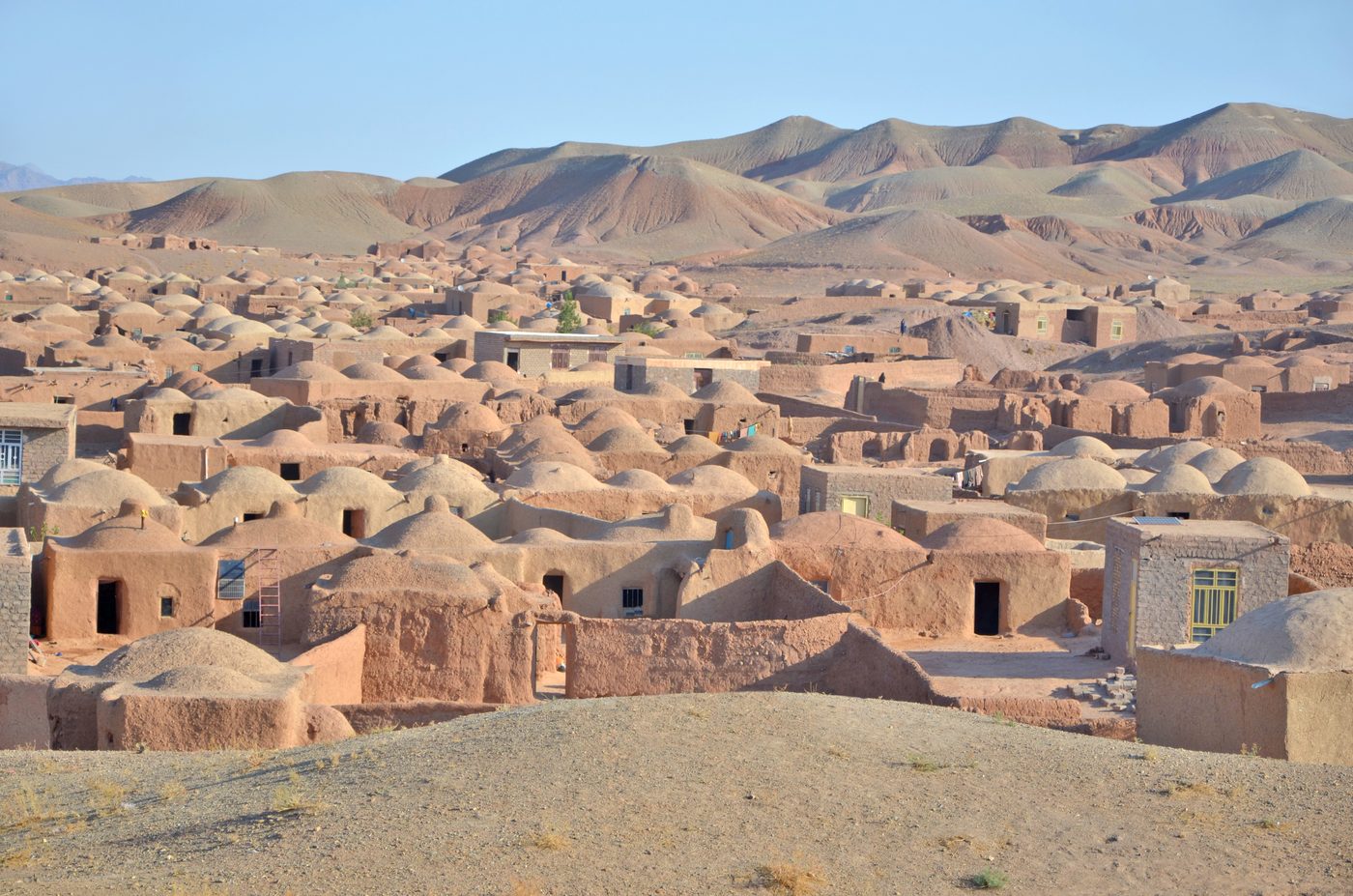
Hosseini renders the specific cities and neighborhoods where the novel takes place - including Herat, Mariam's birthplace - with enough concrete geographic and cultural detail that the settings feel like actual, particular places rather than a generic war-torn backdrop. This groundedness matters for a novel whose larger claims rest on specific, felt experience rather than abstraction.
Difficult Content, Handled With Purpose
The novel contains sustained, sometimes graphic depictions of domestic and sexual violence, and it's worth knowing this going in - Hosseini doesn't include this material gratuitously, but readers sensitive to this content should be prepared for genuinely difficult sustained passages.
An Ending That Balances Loss and Genuine Hope
Without spoiling specifics, the novel's conclusion holds real loss alongside a genuinely hopeful vision for the next generation, avoiding both an unearned happy ending and pure despair - a balance that reflects the novel's larger, sustained commitment to treating both devastation and resilience with equal seriousness throughout.
Who Should Read This
Readers who appreciated The Kite Runner and want a companion novel centering women's experience specifically, anyone interested in recent Afghan history told through sustained personal and domestic experience, and readers prepared for genuinely difficult content in service of a serious, ultimately hopeful story.
Pros and Cons
Pros:
- Centers women's experience of war and oppression that The Kite Runner largely left at the margins
- Renders systemic political history through specific, felt domestic experience
- Rasheed is portrayed with enough particularity to avoid becoming a flat symbolic villain
- Specific, grounded geographic and cultural detail throughout
Cons:
- Contains sustained, sometimes graphic depictions of domestic and sexual violence
- Genuinely heavy, sustained emotional content throughout much of the novel
Frequently Asked Questions
Do I need to have read The Kite Runner first?
No, it stands alone completely, though readers of The Kite Runner will recognize some shared historical backdrop and a late connection between the two stories.
Is this too difficult or graphic to read?
It contains genuinely difficult, sustained content around domestic and sexual violence - worth knowing going in, though it's handled with clear narrative purpose rather than gratuitously.
Does the novel end in complete tragedy?
No - the ending balances real loss with genuine hope for the next generation, avoiding both an unearned happy ending and pure despair.
Why does Mariam's status as an illegitimate child matter so much?
It establishes the pattern of exclusion and diminished worth that shapes her entire life well before her marriage, giving her later arc real psychological grounding.
Final Verdict
This stands entirely on its own as a serious, specific portrait of women's endurance and solidarity under decades of upheaval - not a lesser sequel, but a genuinely distinct achievement in its own right.
Rating: 9.3/10