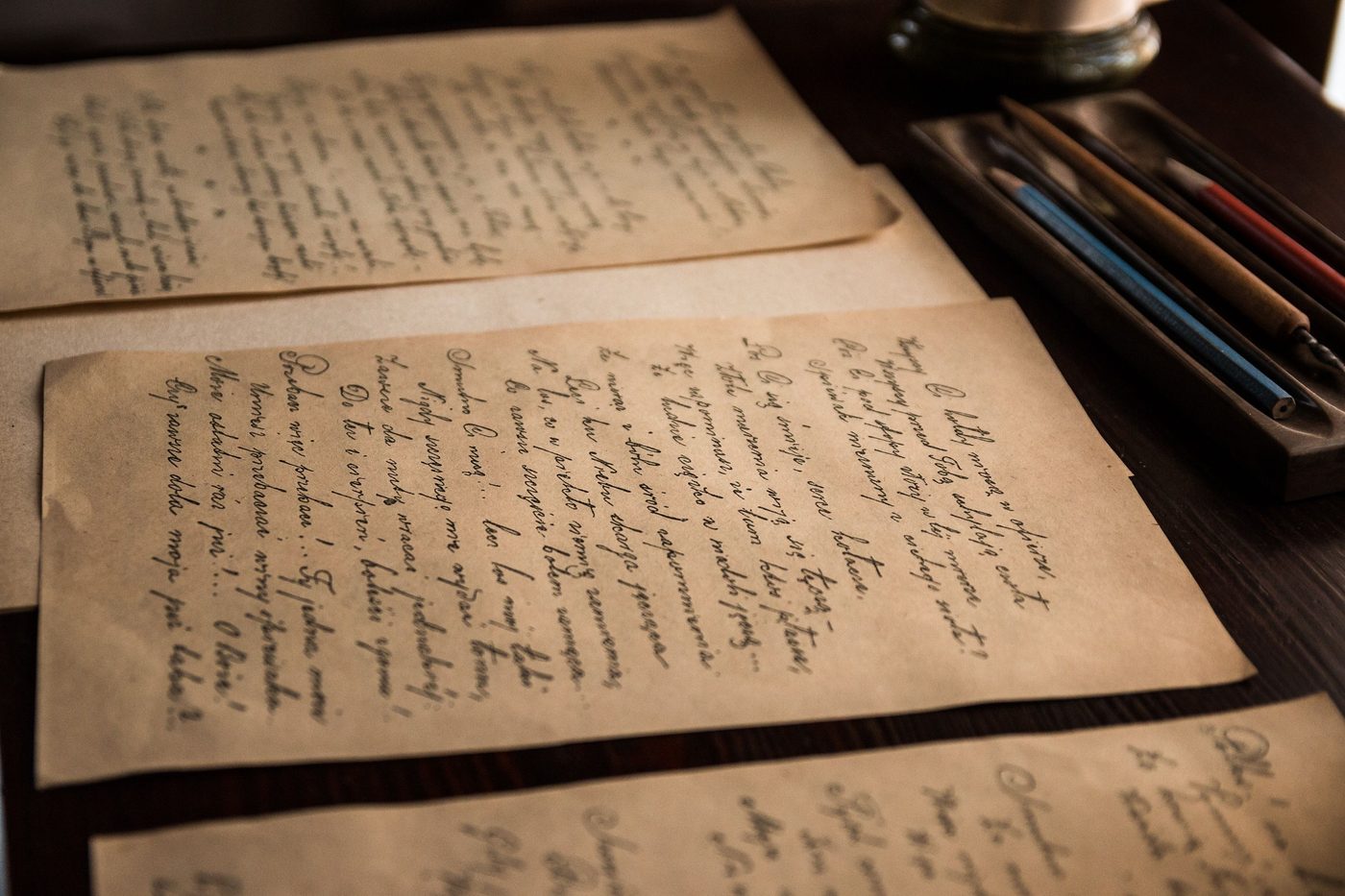
Red and Blue serve opposing factions in a sprawling war fought across the entire span of human history, leaving each other taunting messages hidden in the wreckage of altered timelines. Amal El-Mohtar and Max Gladstone's genre-bending novella slowly transforms these taunts into genuine love letters, building an epistolary romance across an almost incomprehensibly vast science-fictional canvas. Its dense, poetic prose demands close attention but rewards it with real emotional and structural payoff.
An Epistolary Structure Across Impossible Distances
The entire novella unfolds through letters exchanged between Red and Blue, hidden in tea leaves, tree rings, and other objects scattered across radically different timelines, and the authors use this structure to build genuine intimacy despite the characters' near-total physical separation. The letters do the emotional work a conventional plot might otherwise carry.
Two Distinct Authorial Voices for Two Characters
El-Mohtar and Gladstone each wrote one character's voice throughout, giving Red and Blue genuinely distinct linguistic personalities that the novella's alternating structure showcases clearly. This collaborative approach gives the epistolary device real authenticity, since the voices genuinely originate from different writers.
Enemies Whose Rivalry Becomes Genuine Intimacy
Red and Blue begin as ideological enemies serving opposing time-manipulating factions, and the novella traces their gradual shift from professional rivalry to something considerably more vulnerable with real narrative discipline, never rushing the transition past credibility.
Prose Density as a Deliberate Stylistic Choice
The novella's language is dense, allusive, and frequently poetic, demanding real attentive reading rather than casual consumption. This density is a deliberate authorial choice reflecting the heightened, almost operatic emotional register of the central relationship, rather than unnecessary obscurity.
A War With Genuinely Unclear Stakes by Design
The specific factions and ideological stakes of the time war itself remain deliberately hazy throughout, since the authors are far more interested in what the conflict does to Red and Blue personally than in conventional plot mechanics or world-building exposition.
Queer Romance Center Without Being Its Sole Subject
The central relationship between Red and Blue, both women, is handled as a genuine, fully realized romance rather than a novelty, integrated naturally into the novella's larger meditation on connection across impossible distance and opposing loyalty.
Time Travel as Metaphor for Genuine Longing
The novella's science-fictional premise, agents altering history from opposing directions, functions as a sustained metaphor for the specific ache of loving someone you are structurally forbidden from being with, giving the speculative elements real emotional resonance beyond plot mechanics.
A Genuinely Tense, High-Stakes Final Act
As Red and Blue's correspondence deepens, their respective factions grow suspicious, and the novella's final act delivers real tension around whether their connection can survive discovery by forces with genuine power to end it permanently.
Awards Recognition Reflecting Genuine Craft
The novella received significant genre awards recognition upon release, reflecting broad critical consensus that its combination of structural ambition and emotional authenticity represented something genuinely distinctive within contemporary speculative fiction.
A Short Read With Outsized Emotional Impact
Despite its brief length, the novella achieves genuine emotional depth through its precise, carefully constructed prose and structural intimacy, demonstrating that a compact page count doesn't limit a story's capacity for lasting impact.
Pros and Cons
Pros:
- Its two-author structure gives Red and Blue genuinely distinct, authentic voices
- Its epistolary format builds real intimacy despite the characters' physical separation
- Its central romance is fully realized rather than treated as mere novelty
- Its time-war premise functions as genuine metaphor for forbidden longing
- Its brief length delivers outsized genuine emotional impact
Cons:
- Its dense, poetic prose demands real attentive reading rather than casual consumption
- Its deliberately hazy world-building may frustrate readers wanting clearer plot mechanics
- Its short length means less time to acclimate before the emotional stakes intensify
Frequently Asked Questions
Is this a full novel or a shorter work?
It is a novella, considerably shorter than a typical novel, which allows for a dense, concentrated reading experience in a single sitting or two.
Do I need a science fiction background to follow the plot?
No, while it uses time travel as a premise, the authors deliberately keep world-building spare, focusing instead on the central relationship rather than technical exposition.
Is the romance central to the plot or a subplot?
The romance between Red and Blue is the novella's central subject, with the time war functioning primarily as its structural and metaphorical backdrop.
Did this book win any awards?
Yes, it received significant recognition within speculative fiction awards circles, reflecting strong critical consensus about its craft and originality.
Final Verdict
This Is How You Lose the Time War earns its bestseller status through Amal El-Mohtar and Max Gladstone's genuinely inventive collaborative structure, using two distinct authorial voices to build real intimacy between rival agents across an epistolary format. Its dense, poetic prose asks real attention from readers but delivers a correspondingly rich emotional payoff, transforming a time-war premise into sustained metaphor for forbidden longing. The novella's deliberate vagueness about plot mechanics keeps its focus precisely where the authors intend, on the specific ache of connection across impossible distance. For readers seeking a genuinely inventive, emotionally rich work of speculative fiction that rewards close reading, this novella remains essential, and its awards recognition reflects broad agreement about its distinctive craft.
Rating: 4.4/10