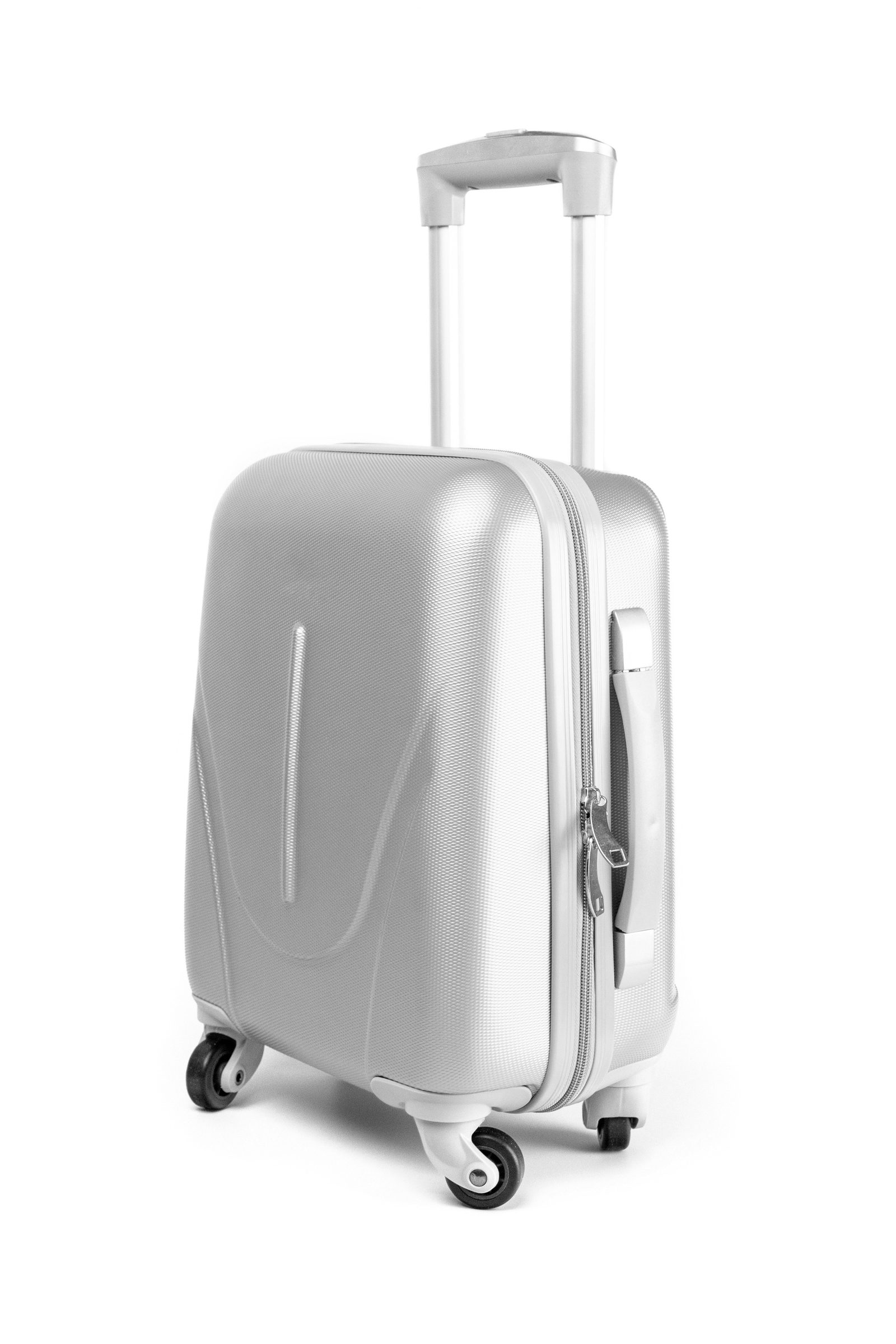
There's a specific sound the Tumi 19 Degree Aluminum case makes when you set it down on a hard floor — a solid, confident thunk that immediately tells you it's not a plastic shell. After a year of using one as my only carry-on across roughly 30 flights, connections, and one memorably rough gate-check in Denver, that first impression has held up completely.
Aircraft-Grade Aluminum, Not Marketing Aluminum
Tumi builds the 19 Degree Aluminum line from actual aircraft-grade aluminum-magnesium alloy, and the difference from the aluminum-look polycarbonate cases flooding the market is obvious within the first scuff. Where a polycarbonate hardside case scratches into a permanently ugly white scar, aluminum develops what frequent travelers actually want: a patina. Dents and scrapes tell a story rather than looking like damage, and the material itself resists the kind of catastrophic cracking that ends a polycarbonate case's life.
The corners are protected by dedicated bumpers rather than relying on the aluminum panels themselves to absorb every impact, which matters enormously — corner impacts from being dropped off a luggage cart or crushed in an overhead bin are where most hardside luggage actually fails.
The Frame System
Instead of a traditional zipper closure, the 19 Degree Aluminum uses Tumi's frame system with dual latches — the same basic principle as classic aluminum attache cases, engineered for a suitcase. This does two things: it makes the case genuinely more secure (frame closures are far harder to force open than a zipper track), and it eliminates the single most common failure point on any suitcase, which is a torn or jammed zipper at the worst possible moment in an airport.
The tradeoff is that frame closures are marginally less forgiving if you overpack — there's less give than a zippered expansion panel provides. Pack deliberately and it's a non-issue; try to cram in souvenirs at the last minute and you'll feel the difference.
Wheels and Handling
Four double spinner wheels roll smoothly and track straight even when fully loaded, which isn't a given at this size — plenty of carry-ons develop a wobble or pull to one side within the first few trips. The telescoping handle has a reassuringly solid lock at each height setting rather than the wiggle you get on cheaper cases, and the case glides through terminals with minimal effort even one-handed while juggling a boarding pass and coffee.
Interior Organization
Inside, a mesh divider and compression straps on one side pair with a flat, zippered panel on the other, giving you a reasonably efficient pack — not as elaborately organized as some softside business cases, but sufficient for genuinely maximizing the interior volume within international carry-on dimensions. There isn't a dedicated laptop sleeve, which is a minor miss for business travelers who'd prefer not to also carry a separate bag.
Is It Actually Worth the Price?
This is the honest question, and it deserves an honest answer: for occasional travelers, no — a well-reviewed $200-300 softside or polycarbonate carry-on will serve you fine and you won't feel the difference enough to justify the gap. For people who fly regularly enough that luggage failure is a real, recurring risk (checked or gate-checked bags especially), the aluminum construction and frame closure meaningfully reduce the odds of arriving somewhere with broken luggage, and the case is genuinely built to be a decade-plus purchase rather than a replace-every-two-years one.
Pros and Cons
Pros:
- Aircraft-grade aluminum resists catastrophic damage far better than polycarbonate
- Frame-and-latch closure eliminates zipper failure, the most common luggage breakdown
- Corner bumpers protect the most vulnerable impact points
- Smooth-rolling, true-tracking spinner wheels even when fully packed
- Ages into a distinctive patina rather than looking permanently damaged
Cons:
- Significant price premium over softside or polycarbonate carry-ons
- Frame closure has less give for overpacking than a zippered case
- No dedicated laptop sleeve in the main compartment
- Heavier empty weight than softside alternatives, eating into checked-bag limits if gate-checked
Frequently Asked Questions
Does the aluminum dent easily?
It dents more visibly than it cracks — which is the point. Aluminum absorbs impact by deforming rather than shattering, and most owners consider the resulting character part of the appeal rather than a flaw.
Is it within standard international carry-on size limits?
Yes, it's sized for most major international carry-on allowances, though as always, double-check your specific airline's dimensions before a trip, since limits vary by carrier and region.
Final Verdict
The Tumi 19 Degree Aluminum International Carry-On isn't trying to be the most practical or affordable carry-on you can buy — it's trying to be the last one you'll need to buy for a very long time. For frequent flyers who are tired of replacing broken zippers and cracked shells every couple of years, that's a genuinely compelling trade.
Rating: 8.8/10 — Built to survive travel, not just look good in an overhead bin photo.