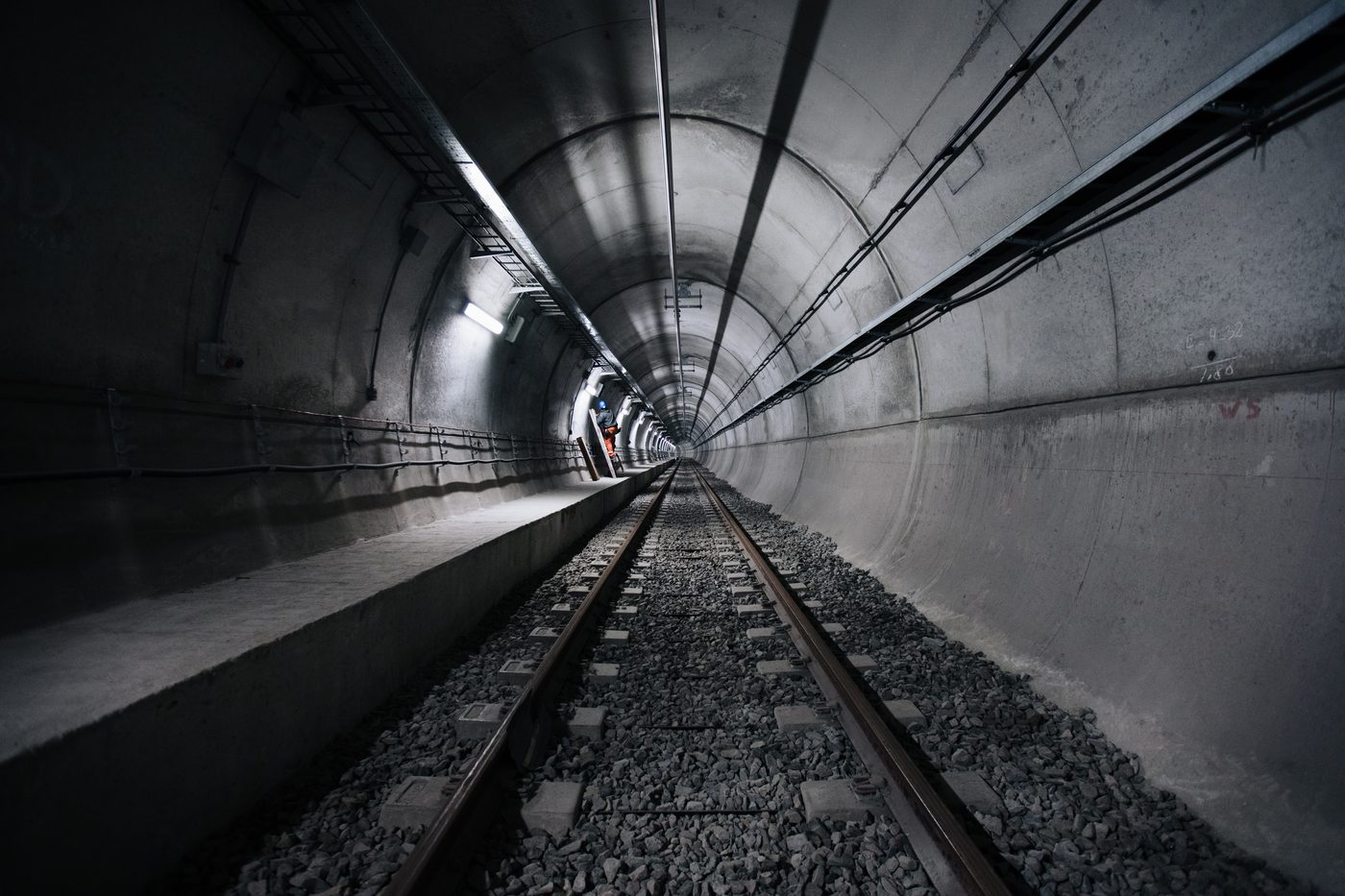
The historical Underground Railroad was a network of safe houses and secret routes, not an actual train - but Whitehead makes it literal, giving protagonist Cora real subterranean tracks and stations to travel through, and that single structural choice unlocks a novel that can move between historically grounded horror and speculative invention without ever losing its central argument.
A Literal Train as a Deliberate Genre-Bending Choice
By making the Underground Railroad an actual physical train system running beneath the American South, Whitehead gives himself formal permission to blend historically accurate horror with speculative, almost magical-realist invention, and this genre-bending isn't decorative - it lets the novel examine slavery's legacy across different registers within a single unified structure.
Each State as Its Own Distinct Allegorical Landscape
Cora's journey takes her through several different states, each rendered with its own distinct, sometimes anachronistic social and political system - functioning almost as separate allegorical chapters examining different facets and eras of American racial oppression, rather than a single continuous historical setting.
Cora's Specific, Hard-Won Interiority
Despite the novel's structural inventiveness, Cora herself is rendered with genuine psychological specificity - her own complicated relationship with her mother's earlier escape, her particular survival instincts, and her gradual, hard-won development of trust are given real individual weight beneath the novel's larger allegorical ambitions.
Ridgeway the Slave Catcher as Ideology Made Personal
The relentless slave catcher Ridgeway, who pursues Cora throughout the novel, is rendered with genuine philosophical coherence rather than simple villainy - his own stated worldview about American destiny and order gives the novel's central pursuit real ideological weight beyond straightforward antagonism.
Extensively Researched Historical Grounding Beneath the Invention
Despite its speculative elements, the novel is grounded in genuine, extensive research into the actual historical realities of slavery, including specific documented atrocities and social structures, meaning the speculative train device never becomes an excuse for softening historical accuracy.
The Novel's Direct Engagement With Real Historical Events
Several sections directly reference and reimagine real historical horrors - including a chapter drawing on the actual Tuskegee syphilis study, relocated earlier in time - demonstrating how the novel's speculative framework lets it draw connections across different eras of American racial violence within a single narrative.
Structural Interludes That Widen the Novel's Scope
Periodic shorter chapters focusing on peripheral characters - including Ridgeway and other figures Cora encounters only briefly - widen the novel's scope beyond Cora's single perspective, giving the larger historical and social system surrounding her journey additional dimension and texture.
A Sustained Argument About the Illusion of Safety
Throughout Cora's journey, each new location that initially seems to offer safety or genuine freedom reveals its own specific, different form of danger or control, building a sustained argument about how thoroughly American racial oppression has adapted across different eras and social structures rather than simply ending.
An Ending That Refuses Simple Resolution
Without spoiling the specific final pages, the novel's conclusion resists offering a clean, triumphant resolution to Cora's journey, staying consistent with its larger argument that freedom under these circumstances remains genuinely precarious and incomplete rather than a single achievable endpoint.
Who Should Read This
Readers interested in historical fiction that uses speculative invention to sharpen rather than soften its argument, anyone drawn to a novel structured as a journey through distinct allegorical landscapes, and readers who appreciate extensively researched historical grounding beneath formal experimentation.
Pros and Cons
Pros:
- The literal train device unlocks genre-bending structure without softening historical accuracy
- Each state Cora passes through functions as its own distinct, allegorically rich landscape
- Ridgeway is rendered with genuine ideological coherence rather than simple villainy
- Extensively researched historical grounding underlies even the novel's most speculative elements
Cons:
- The shifting allegorical registers between states require attentive tracking across the full novel
- Some historical material, including direct references to real atrocities, makes for genuinely difficult reading
Frequently Asked Questions
Was the Underground Railroad really a physical train?
No - historically it was a network of safe houses and secret routes. Whitehead's literal train is a deliberate speculative device, not a historical claim.
Is this magical realism or historical fiction?
Both, deliberately blended - the speculative train framework lets the novel move between historically grounded horror and allegorical invention within one structure.
Does each state in the novel represent the same historical period?
No - each state is rendered with its own distinct, sometimes anachronistic social system, functioning as a separate allegorical examination of different eras of oppression.
Does the novel end with Cora achieving full freedom?
It resists a clean, triumphant resolution, consistent with its larger argument that freedom under these circumstances remains genuinely precarious.
Final Verdict
Whitehead's decision to make the Underground Railroad an actual train is a genuine structural masterstroke - it lets a rigorously researched historical novel move into allegory and invention without ever losing its sharp, sustained argument about American racial oppression.
Rating: 9.1/10