Identical twin sisters Desiree and Stella grow up in a small, real-feeling Southern Black community built around colorism, and as young women, one twin leaves to live openly as Black while the other permanently passes as white, severing contact with her family entirely - and Bennett spends the rest of the novel tracing how that single divergent choice reshapes both their lives and their daughters' lives for decades.
A Fictional Town Built Directly Around Colorism
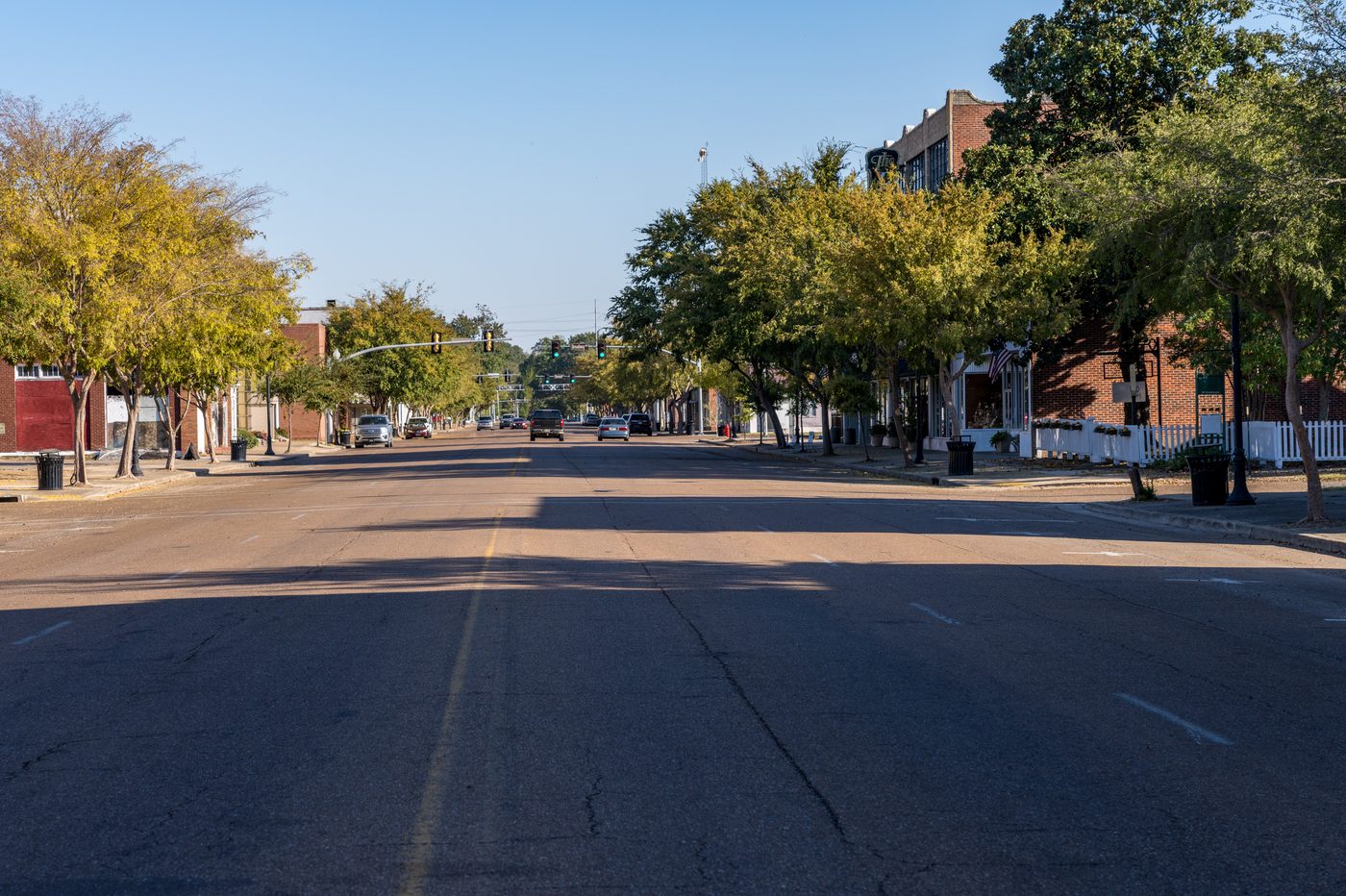
The twins' hometown of Mallard, a fictional community whose residents specifically pride themselves on light skin and actively work to maintain that colorism across generations, is rendered with genuine sociological specificity, grounding the novel's central themes in a concrete, particular social environment rather than abstract discussion of racial identity.
One Divergent Choice Traced Across Decades With Real Consequence
Stella's decision to permanently pass as white and sever contact with her family entirely, versus Desiree's choice to live openly as Black, is traced by Bennett across decades with genuine specificity about what each choice actually costs and enables for both sisters over the following years.
Passing Rendered With Genuine Psychological Complexity, Not Simple Judgment
The novel treats Stella's ongoing passing with real psychological complexity - the specific vigilance, isolation, and self-erasure it requires to sustain over decades - rather than treating her choice with simple moral judgment, giving readers genuine insight into what sustained passing actually demands.
The Next Generation's Daughters as a Structural Mirror
The novel extends its examination of identity to the twins' own daughters, Jude and Kennedy, whose very different upbringings - one aware of her full family history, one raised entirely within her mother's constructed white identity - mirror and complicate their mothers' earlier divergent choices.
Jude's Storyline and a Second Layer of Identity Examination
Desiree's daughter Jude, who has notably dark skin even within her already Black family and community, faces her own specific colorism and identity questions that extend the novel's central themes into a new generation with genuinely distinct stakes from her mother's or aunt's experience.
A Structure That Withholds and Reveals Information Deliberately
The novel's nonlinear structure carefully controls when readers learn specific facts about each sister's fate and choices, building genuine narrative tension around whether and how the estranged twins' paths might eventually intersect again.
Reggie's Storyline Adding a Transgender Character With Real Narrative Weight
A significant later storyline involving Jude's partner Reggie, a transgender man, extends the novel's broader interest in identity and self-determination to another axis beyond race, and Bennett gives this storyline genuine narrative weight rather than treating it as incidental diversity.
Small-Town Community Rendered With Both Warmth and Real Critique
Despite its pointed critique of Mallard's colorism, the novel doesn't render the town as purely negative - it maintains genuine warmth and specific community texture alongside its sharp examination of the town's founding prejudice.
An Ending That Offers Partial, Not Complete, Reconciliation
Without spoiling the specific final chapters, the novel's conclusion offers real but incomplete connection between the estranged branches of the family, consistent with its larger honesty that decades of divergent choices can't be simply, fully undone.
Who Should Read This
Readers interested in a novel examining racial passing with genuine psychological complexity rather than simple judgment, anyone drawn to a multigenerational structure tracing one divergent choice's decades-long ripple effects, and readers who appreciate identity examined across multiple axes within one family.
Pros and Cons
Pros:
- Grounds its central themes in a specific, sociologically detailed fictional town built around colorism
- Treats racial passing with genuine psychological complexity rather than simple moral judgment
- Extends its identity themes to the next generation and beyond race through Reggie's storyline
- Nonlinear structure builds genuine sustained tension around the estranged twins' possible reconnection
Cons:
- The nonlinear structure requires attentive tracking of multiple generations and time periods
- Some threads, including Reggie's storyline, receive less development than the central twin narrative
Frequently Asked Questions
What is the town of Mallard in the novel?
A fictional Southern Black community whose residents specifically pride themselves on light skin, giving the novel's colorism themes a concrete, particular social setting.
Does Stella ever reconnect with her family?
The novel offers real but incomplete connection by its conclusion, consistent with its honesty that decades of divergent choices can't be simply undone.
Is this only about the two sisters, or does it follow other generations too?
It extends significantly to the twins' own daughters, whose different upbringings mirror and complicate their mothers' earlier choices.
Does the novel address identity beyond race?
Yes - a significant later storyline involving a transgender character extends the novel's interest in identity and self-determination to another axis.
Final Verdict
Bennett traces one divergent choice between identical twins across decades and generations with genuine psychological complexity, refusing simple judgment of passing while tracing its real, specific costs on everyone connected to it.
Rating: 8.9/10