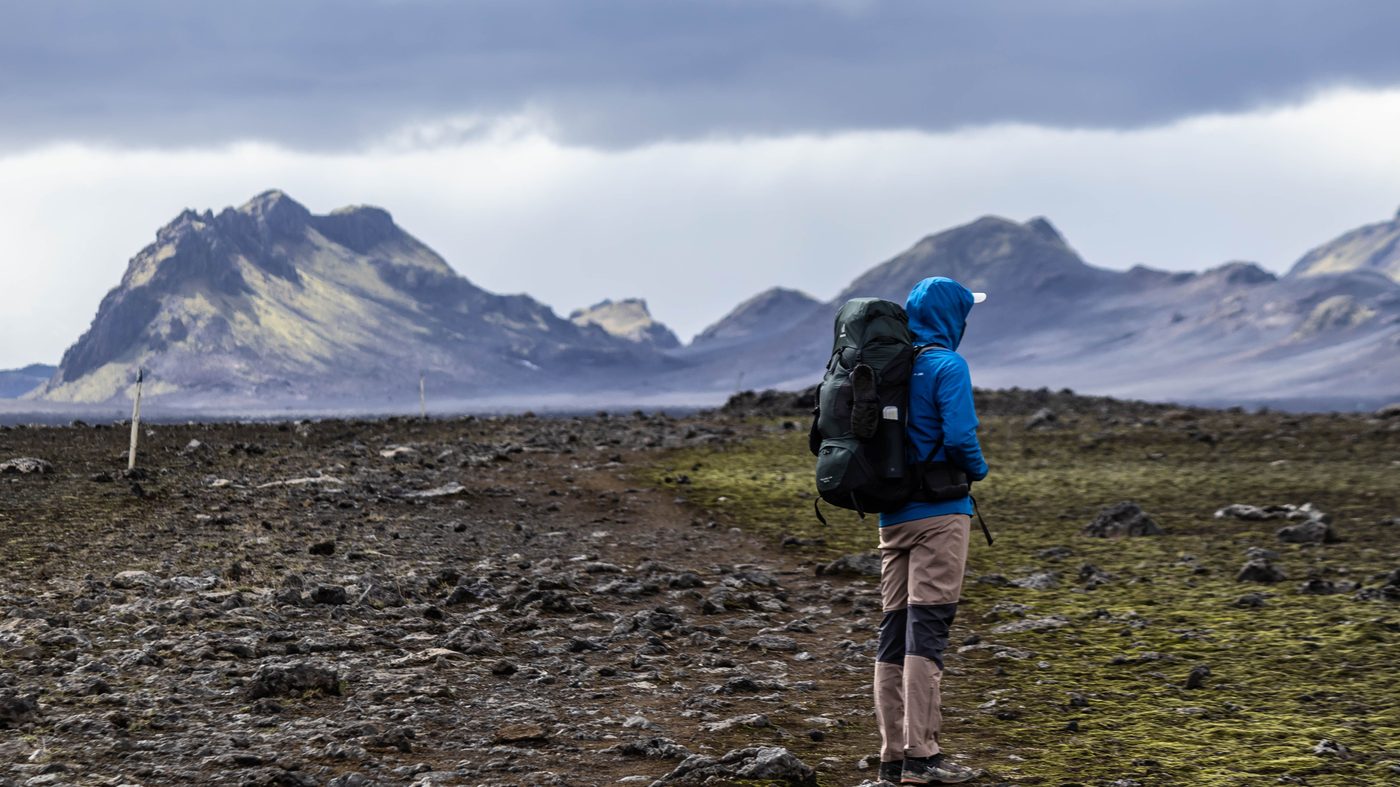
At twenty-six, reeling from her mother's sudden death, the collapse of her marriage, and a period of genuinely self-destructive behavior, Cheryl Strayed decided to hike over a thousand miles of the Pacific Crest Trail entirely alone, despite having virtually no backpacking experience, a boot size too small for her overstuffed pack, and only the barest outline of a plan, and Wild refuses to romanticize this decision as pure wisdom rather than what it also genuinely was, reckless, dangerous, and driven as much by desperation as by any clear sense of purpose. What makes the memoir genuinely compelling is Strayed's willingness to render her own poor decisions, missteps, and moments of real physical danger with unflinching honesty, allowing the trail's gradual, hard-won clarity to emerge from actual struggle rather than easy, predetermined inspiration.
Grief as the Genuine Origin of an Unplanned, Risky Decision
Strayed traces her decision to hike the trail directly to the specific, disorienting grief following her mother's death from cancer, and she renders this grief with enough psychological specificity that the decision reads as a genuine, desperate response to loss rather than a predetermined wisdom-seeking journey.
Unflinching Honesty About Physical Unpreparedness
Rather than glossing over her lack of preparation, Strayed details with genuine candor her ill-fitting boots, dangerously overpacked backpack, and general inexperience with basic backpacking skills, and this honesty about her own poor preparation gives the memoir credibility that a more polished, competent narrator would lack.
The Trail's Physical Dangers Rendered Without Exaggeration or Minimization
The memoir depicts genuine physical dangers Strayed encountered, extreme heat, snow, difficult water crossings, isolated encounters with strangers, with a balance that neither exaggerates the trail's danger for dramatic effect nor minimizes the real risk her inexperience and solo travel genuinely created.
Self-Destructive Behavior Preceding the Trail, Honestly Examined
Strayed openly discusses the period of infidelity and drug use that contributed to her marriage's collapse before the hike, and this honesty about her own destructive behavior in the period immediately preceding the trail resists any temptation to present herself as simply a passive victim of circumstance.
Solitude as Both Genuine Danger and Necessary Confrontation
The memoir examines Strayed's extended solitude on the trail as simultaneously a genuine physical vulnerability, particularly as a woman hiking largely alone, and a necessary condition for the kind of sustained self-confrontation she could not otherwise have achieved amid her prior life's distractions.
Memories of Her Mother Woven Throughout the Physical Journey
Strayed structures the memoir with extended flashback material regarding her relationship with her mother and her mother's death, and this interwoven structure ensures the trail narrative never becomes separated from the specific grief that motivated it in the first place.
Encounters With Other Hikers as Community Amid Isolation
Despite hiking largely alone, Strayed's periodic encounters with fellow long-distance hikers provide moments of genuine, if temporary, community and support, and the memoir renders these connections with real warmth without overstating their capacity to resolve her deeper isolation and grief.
Gradual, Hard-Won Clarity Rather Than Sudden Epiphany
Consistent with the memoir's broader honesty, Strayed resists framing her eventual clarity and healing as a single dramatic epiphany, instead depicting a genuinely gradual, uneven process of accumulated small realizations earned through sustained physical and emotional struggle across the trail's full length.
The Memoir's Refusal to Present Itself as a Universal Prescription
Strayed avoids presenting her particular journey as a universal formula for healing grief or personal crisis, and this refusal to generalize her specific, risky decision into broad prescriptive advice gives the memoir integrity that a more instructional self-help framing would undermine.
Why Wild Remains a Landmark Memoir of Grief and Transformation
Wild endures as a landmark contemporary memoir because Strayed's unflinching honesty about her own recklessness, poor preparation, and gradual rather than sudden healing gives the book genuine credibility, offering readers a portrait of transformation earned through real struggle rather than comfortable, predetermined inspiration.
Pros and Cons
Pros:
- Unflinching honesty about physical unpreparedness gives the memoir genuine, earned credibility
- Grief is rendered with specific psychological depth rather than generic emotional gesture
- Refuses to minimize the real physical dangers her inexperience and solo travel created
- Depicts gradual, hard-won clarity rather than a single, unrealistic dramatic epiphany
- Avoids presenting her specific journey as a universal prescription for healing
Cons:
- Extended flashback material about her mother and marriage occasionally interrupts trail narrative momentum
- Some readers may find her decision-making genuinely frustrating given the real risks involved
- Discussion of drug use and infidelity preceding the hike may be difficult for some readers
Frequently Asked Questions
Do I need hiking experience to understand this memoir?
No, Strayed's own lack of experience is central to the book, and no outdoor background is necessary to follow or appreciate the narrative.
Is this memoir presented as advice for how to process grief?
No, Strayed deliberately avoids framing her specific journey as a universal prescription, presenting it instead as her own particular, honestly flawed experience.
How much of the memoir focuses on her mother's death?
Significant portions are devoted to flashback material regarding her mother's illness, death, and their relationship, which motivated the hike.
Is this the same story as the film adaptation?
The film adaptation follows the memoir's broad structure and events closely, though the book includes more extensive reflection and internal narration.
Final Verdict
Wild earns its status as a landmark contemporary memoir through Cheryl Strayed's unflinching honesty about how genuinely unprepared and reckless her thousand-mile solo hike actually was, refusing to retroactively frame poor decisions as secret wisdom. Her specific, psychologically grounded rendering of grief for her mother, and her gradual, hard-won rather than instantaneous healing, give the book real emotional credibility. Years after publication, its honest portrait of transformation earned through genuine struggle continues to resonate with readers navigating their own grief and crisis.
Rating: 4.5/10