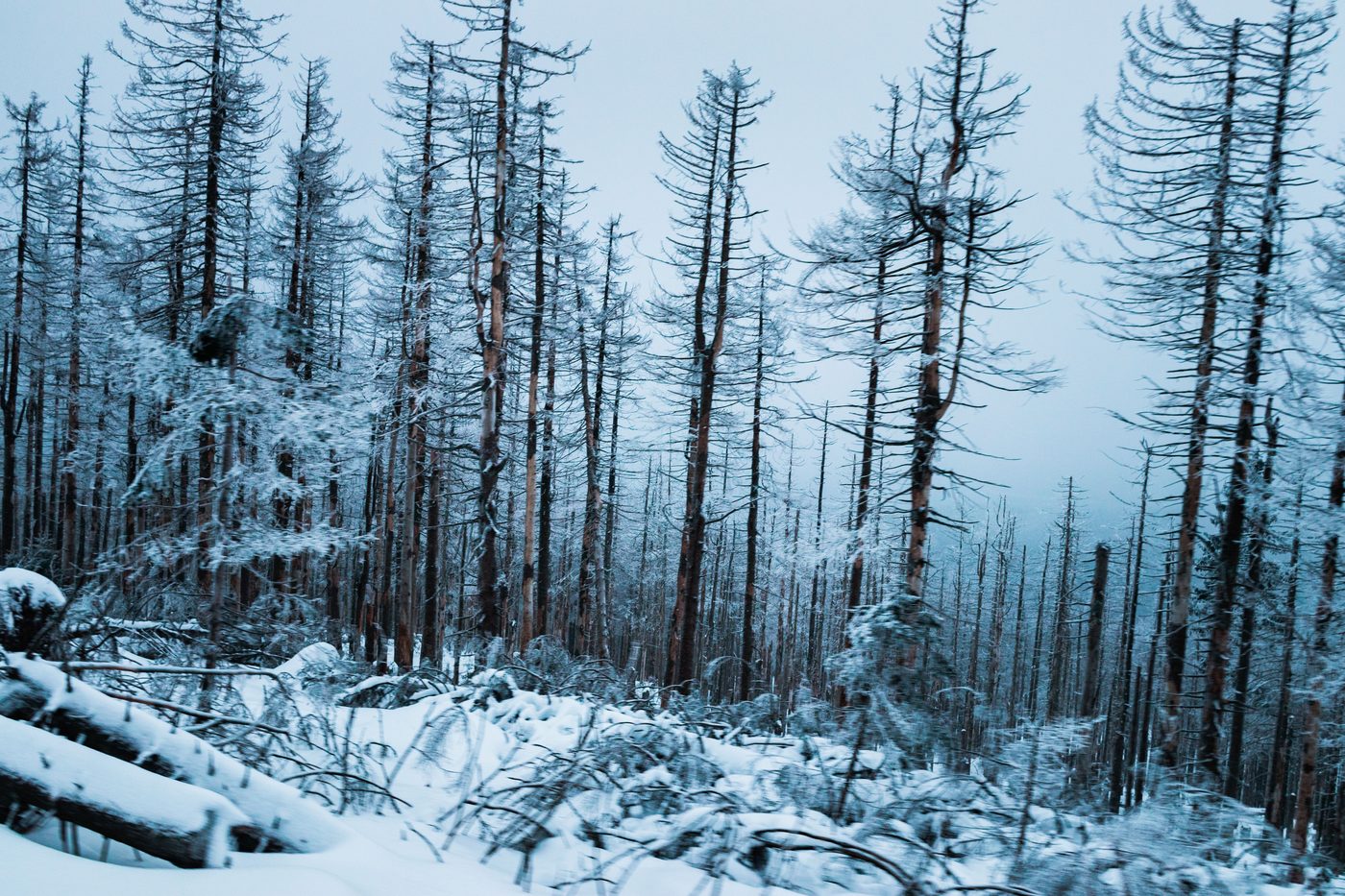
Wintering takes a season most of us treat as something to simply get through and builds an entire, genuinely persuasive philosophy around treating it instead as something with its own necessary function. Katherine May wrote the book during a genuinely difficult personal period, her husband hospitalized, her own health declining, her son struggling at school, and rather than writing a straightforward misery memoir, she uses winter, both the literal season and as an extended metaphor for any fallow, difficult period in a life, illness, grief, burnout, professional failure, as a lens for examining how thoroughly modern culture has lost any real permission to slow down, withdraw, and simply endure a hard season without treating it as pure failure or waste. Drawing on Nordic and Northern European traditions of embracing winter rather than merely enduring it, alongside her own close observation of hibernating animals, dormant plants, and frozen landscapes, May builds a genuinely comforting, non-saccharine case that fallow periods aren't interruptions to a real life but a necessary, recurring part of one.
The Personal Crisis Behind the Book
May's opening account of the specific convergence of difficulties that prompted the book, her husband's hospitalization, her own declining health, her son's school struggles, gives the book's later, more meditative material genuine emotional grounding, establishing early that this isn't abstract nature-writing philosophy but a framework built out of genuine, lived necessity.
Winter as Metaphor Without Losing the Literal Season
One of the book's genuine achievements is maintaining winter's literal, physical reality, actual cold, actual darkness, actual seasonal change, alongside its metaphorical use for any difficult life period, and this dual grounding keeps the book from drifting into purely abstract self-help territory, always returning to concrete seasonal observation.
Cultures That Work With Winter Rather Than Against It
May's exploration of Nordic and other Northern cultures' specific traditions and practices for embracing winter, from Finnish saunas to particular Scandinavian approaches to darkness and cold, offers readers genuinely different cultural models for relating to a difficult season than the more common Anglo-American instinct to simply endure and rush through it.
Hibernation and Dormancy as Biological Wisdom
The book's chapters observing actual hibernating animals and dormant plants, and what their biological strategies suggest about withdrawal and conservation of energy during difficult periods, give May's broader argument real grounding in natural precedent rather than pure philosophical assertion.
Illness and the Permission to Actually Rest
May writes candidly about her own physical illness during the book's writing and the genuine cultural pressure she felt to minimize or push through it, and her argument that illness deserves real acknowledgment and rest rather than performed resilience offers a genuinely useful corrective for readers who habitually minimize their own physical and emotional needs.
Grief and Loss as Their Own Winter
The book extends its winter metaphor meaningfully into grief and loss specifically, arguing that mourning has its own necessary duration and character that resists the cultural pressure toward quick resolution, giving readers a framework that validates grief's genuinely non-linear, extended timeline rather than an artificial recovery schedule.
Community and Isolation During Difficult Seasons
May's attention to how difficult periods often produce genuine social isolation, both from external circumstance and from an internal instinct to withdraw, and her nuanced treatment of when withdrawal is genuinely restorative versus when it becomes isolating in unhelpful ways, gives the book real psychological nuance beyond a simple pro-withdrawal argument.
Lyrical, Precise Nature Writing Throughout
Beyond its central argument, the book succeeds simply as nature writing, with May's descriptions of specific seasonal observations, frozen landscapes, animal behavior, seasonal light, achieving genuine literary quality that makes the book rewarding independent of its self-help adjacent framing.
Who Should Read This Book
Wintering is genuinely valuable for readers currently navigating a difficult life season, illness, grief, burnout, professional setback, who want permission to slow down rather than more advice to push through, as well as readers who simply enjoy lyrical nature writing with genuine philosophical depth. It's a comforting, non-saccharine companion for hard seasons.
The Premium Hardcover Edition
This hardcover edition is well-produced and suited to a book many readers specifically keep for rereading during their own difficult seasons, with durable binding appropriate for a title frequently returned to during winters both literal and metaphorical.
Pros and Cons
Pros:
- Grounds its philosophy in genuine personal crisis, giving abstract material real emotional stakes
- Maintains winter's literal, physical reality alongside its metaphorical use, avoiding pure abstraction
- Draws on genuinely different cultural models for embracing rather than merely enduring difficulty
- Extends its framework meaningfully into grief, validating loss's non-linear, extended timeline
- Succeeds independently as genuinely lyrical, precise nature writing beyond its self-help adjacent framing
Cons:
- Meditative, reflective pacing may feel slow for readers wanting more direct practical guidance
- Some readers may want more concrete action steps alongside the philosophical reframing
- British cultural and seasonal references may require slight translation for some international readers
Frequently Asked Questions
Is this a self-help book or a memoir?
It's a genuine blend, using May's own personal crisis and nature observation as the vehicle for a broader philosophical argument about difficult life seasons, rather than offering direct prescriptive advice.
Do I need to be going through a difficult period to appreciate this book?
No, though many readers specifically seek it out during hard seasons; it's also valuable simply as thoughtful nature writing and a preventive framework for future difficult periods.
Does this book offer concrete action steps?
It leans more toward philosophical reframing and permission-giving than prescriptive step-by-step guidance, though its reframes carry real practical implications for how readers approach rest and withdrawal.
Is this book appropriate for someone grieving a loss?
Many readers navigating grief find real comfort in the book's extension of its winter metaphor into loss and its validation of grief's non-linear timeline.
Final Verdict
Wintering offers a genuinely comforting, non-saccharine reframe of life's difficult seasons, illness, grief, burnout, as necessary rather than shameful, grounding its philosophy in Katherine May's own personal crisis and precise, lyrical nature observation. It leans more toward reflection than prescriptive advice, but its permission to slow down during hard periods has resonated with an enormous readership. This premium hardcover is a genuinely comforting gift for anyone navigating their own difficult season.
Rating: 8.9/10